
.jpeg)
Detailed explanation of common side effects and countermeasures of ruxolitinib (JAKAVI) tablets
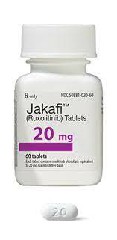
Ruxolitinib (trade name JAKAVI, generic name ruxolitinib) is a selective Janus kinase (JAK) 1 and JAK2 inhibitors are mainly used to treat myelofibrosis (including primary and secondary), polycythemia vera and some chronic myeloproliferative diseases. Ruxolitinib can effectively relieve patients' symptoms, improve their quality of life, and extend their survival. However, as an immunomodulatory drug, its treatment may be accompanied by certain side effects. This article will introduce in detail the common side effects and clinical countermeasures of ruxolitinib to help patients and medical staff use the drug rationally and ensure efficacy and safety.
1. Pharmacological characteristics and side effects background of ruxolitinib
Ruxolitinib regulates abnormal cell proliferation and inflammatory response by inhibiting the JAK1 and JAK2 signaling pathways to control myelofibrosis symptoms and blood lesions. However, since the JAK pathway also plays an important role in the immune system and blood cell production, inhibiting JAK activity may inevitably lead to immunosuppression and a decrease in hematopoietic function, thereby triggering different types of adverse reactions. These side effects mostly occur at the beginning of treatment and during dose adjustment, and most of them are controllable.
2. Common side effects and manifestations
1.Hematological abnormalities
The most typical and common side effects are reduced blood cell counts, mainly including anemia, thrombocytopenia and neutropenia. Data show that about 30%-40% of patients may suffer from varying degrees of anemia, and some patients require blood transfusion support; the incidence of thrombocytopenia is about 15%-20%. In severe cases, dosage adjustment or temporary discontinuation of medication is required; neutropenia may increase the risk of infection and requires close monitoring.
2.Increased risk of infection
Due to suppressed immune function, ruxolitinib patients are at increased risk of infection. Common infections include respiratory tract infection, urinary tract infection, and herpes zoster virus infection. Especially patients with low immunity or combined with other diseases have a higher risk of infection. Patients and doctors need to be more vigilant to detect and deal with infection symptoms in a timely manner.
3.Metabolic abnormalities and edema
Ruxolitinib may cause metabolic and fluid retention problems such as elevated blood lipids, abnormal liver enzymes, weight gain, and edema. Edema usually manifests as edema of the lower limbs, and occasionally pulmonary or pericardial effusion, which needs to be treated according to the situation.
4.Digestive system reaction
Including diarrhea, nausea, stomach discomfort, etc., although most are mild, they have a significant impact on the quality of life of some patients.
5.Other adverse reactions
Symptoms such as headache, fatigue, fever, and rash may also occur, which need to be comprehensively evaluated based on the patient's specific situation.
3. Clinical responses to side effects
1.Management of hematological abnormalities
For lowered blood cell counts, it is recommended to conduct detailed blood routine examinations before treatment and regularly monitor blood picture changes. When severe anemia occurs, symptoms can be improved with blood transfusion or erythropoietin therapy. In case of thrombocytopenia and neutropenia, the dose of ruxolitinib should be adjusted appropriately, the medication should be suspended if necessary, and supportive treatment should be given. Close monitoring of blood changes is key to preventing serious bleeding and infection.
2.Infection Prevention and Control
Prevention of infection is an important part of ruxolitinib treatment. Patients should maintain good personal hygiene and avoid close contact with patients with infectious diseases. Physicians should regularly assess the risk of infection and prescribe prophylactic antiviral or antibacterial treatment if necessary. When symptoms of infection appear, timely diagnosis and active treatment are required to avoid worsening of the infection.
3.Metabolic abnormalities and edema treatment
It is recommended to monitor changes in liver function, blood lipids and body weight during treatment. For edema, measures such as limiting salt intake and elevating the affected limb can be taken in mild cases, and diuretics can be used in severe cases. Abnormal liver function requires evaluation of the drug dose and reduction or discontinuation of the drug if necessary.
4.Supportive treatment for other symptoms
For symptoms such as gastrointestinal discomfort, headache, and rash, take symptomatic treatment, such as using antidiarrheals, analgesics, or anti-allergy drugs. Patients are encouraged to maintain good living habits, eat a balanced diet, and get adequate rest.
4. Patient medication recommendations and precautions
Ruxolitinib treatment must be carried out under the guidance of a professional doctor and should be used strictly in accordance with the instructions. Before starting treatment, the patient's liver and kidney function, blood picture, and comorbidities should be evaluated to formulate a personalized plan. During the treatment process, relevant indicators need to be reviewed regularly to detect side effects in a timely manner and take measures. Patients should pay attention to changes in their symptoms, especially signs of infection, bleeding symptoms and severe fatigue, and seek medical treatment promptly.
In addition, patients should avoid stopping the medication or adjusting the dosage on their own, as this may lead to disease recurrence or worsening of side effects. For pregnant women, lactating women and patients with severe liver and kidney dysfunction, the use of ruxolitinib should be used with caution or avoidance.
As an important targeted drug for the treatment of myelofibrosis and related diseases, ruxolitinib has significant efficacy and improves patient prognosis. However, its side effects cannot be ignored, especially hematological toxicity and infection risk. Through scientific monitoring and reasonable management, most side effects can be effectively controlled. Patients and medical staff should cooperate closely to ensure treatment safety, maximize the therapeutic potential of ruxolitinib, and improve patients' quality of life.
Reference materials:https://www.drugs.com
[ 免责声明 ] 本页面内容来自公开渠道(如FDA官网、Drugs官网、原研药厂官网等),仅供持有医疗专业资质的人员用于医学药学研究参考,不构成任何治疗建议或药品推荐。所涉药品可能未在中国大陆获批上市,不适用于中国境内销售和使用。如需治疗,请咨询正规医疗机构。本站不提供药品销售或代购服务。


