
.jpeg)
Is Ivosidenib still needed during bone marrow transplant recovery?
After bone marrow transplantation (hematopoietic stem cell transplantation) to treat acute myeloid leukemia (AML), do patients still need to continue using ivosidenib ( Ivosidenib), mainly depends on many factors such as risk assessment of the disease, IDH1 mutation status, and residual disease test results after transplantation. Ivonib is a targeted drug targeting the IDH1 mutation. It is suitable for the treatment of relapsed or refractory AML patients carrying this mutation. It is also often used to control the disease after induction of remission and before transplantation.
In certain patients at high risk for relapse, maintenance therapy with ivonib after transplantation may be considered even after bone marrow transplantation has been completed. This approach is intended to reduce the probability of disease recurrence, especially in patients with minimal residual disease (MRDpositive) or poor prognostic factors before transplantation. Relevant studies have shown that the use of IDH1 inhibitors after transplantation may help prolong disease-free survival and improve overall prognosis.
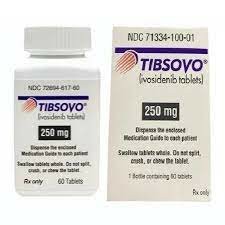
However, not all patients with IDH1 mutations who receive bone marrow transplants need to continue taking medication. If the transplantation effect is good, MRD turns negative, and the patient has poor tolerance or is worried about the side effects of the drug, some clinical experts may choose observation instead of immediate maintenance treatment. Therefore, whether to continue using ivonib needs to be made under the guidance of hematology experts and after a comprehensive assessment of individual circumstances.
In general, the medication regimen after bone marrow transplantation should be individually customized. Ivonib may still have a place in post-transplant treatment strategies, especially for high-risk AML patients. However, maintenance treatment is not a standard practice, and the latest clinical research, the patient's condition progress, and the doctor's judgment need to be combined to decide whether to continue using the drug. It is recommended that patients fully communicate with their attending doctors, weigh the benefits and potential risks of treatment, and formulate a treatment plan that is most suitable for them.
Reference materials:https://www.drugs.com
[ 免责声明 ] 本页面内容来自公开渠道(如FDA官网、Drugs官网、原研药厂官网等),仅供持有医疗专业资质的人员用于医学药学研究参考,不构成任何治疗建议或药品推荐。所涉药品可能未在中国大陆获批上市,不适用于中国境内销售和使用。如需治疗,请咨询正规医疗机构。本站不提供药品销售或代购服务。


