
.jpeg)
How effective is platinib in treating RET fusion-positive lung cancer?
Pralsetinib is a highly selective RET kinase inhibitor that has shown significant efficacy in the treatment of RET fusion-positive non-small cell lung cancer (NSCLC). This type of lung cancer is a rare but clinically challenging molecular subtype that often does not respond ideally to traditional chemotherapy or immunotherapy, and the RET fusion gene is its main oncogenic driver. Platinib precisely targets the RET fusion protein and blocks its abnormal signaling, thereby inhibiting the proliferation and spread of tumor cells and providing a new approach to targeted therapy.
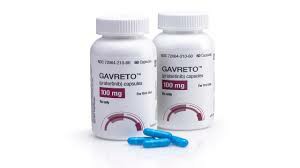
In multiple international multicenter studies, platinib has demonstrated good disease control capabilities in both previously treated and untreatedRET fusion-positive patients. Especially among patients who have previously received platinum-containing chemotherapy, the response rate is much higher than that of traditional treatment methods, and the onset of effect is relatively fast. Some patients experience clinical improvement within weeks of taking the drug, including reduction in tumor size, reduction in respiratory symptoms, and significant improvement in quality of life.
In addition to lung lesions, platinib has also shown potential in controlling brain metastases. Because its molecular structure is designed to have better penetration into the central nervous system, it may bring more comprehensive disease control to RET fusion-positive patients with brain metastasis. In addition, the adverse reactions of the drug are generally controllable. Common side effects include increased blood pressure, constipation, increased liver enzymes, etc. Most of them are mild to moderate and can be improved by adjusting the dose.
In general, platinib provides an unprecedented precision treatment option for patients with RET fusion-positive NSCLC and is an important breakthrough in the field of targeted therapy. With the popularization of RET gene detection technology, the identification rate of this subtype will be further improved, and the clinical application of platinib will gradually expand, becoming a key part of personalized lung cancer treatment.
Reference: https://gavreto.com/
[ 免责声明 ] 本页面内容来自公开渠道(如FDA官网、Drugs官网、原研药厂官网等),仅供持有医疗专业资质的人员用于医学药学研究参考,不构成任何治疗建议或药品推荐。所涉药品可能未在中国大陆获批上市,不适用于中国境内销售和使用。如需治疗,请咨询正规医疗机构。本站不提供药品销售或代购服务。


