
.jpeg)
Precautions when using Vigabatrin/vigabatrin in combination with other anti-epileptic drugs
Vigabatrin/vigabatrin is an anti-epileptic drug widely used to treat refractory epilepsy and infantile spasms (West syndrome). It exerts a central nervous system depressant effect by irreversibly inhibiting GABA transaminase (GABA-T), thereby significantly increasing the concentration of γ-aminobutyric acid (GABA) in the brain. Although it has good efficacy in specific epilepsy types, when used in combination with other anti-epileptic drugs, special attention needs to be paid to drug-drug interactions, the risk of superimposed side effects, and efficacy monitoring to avoid worsening of clinical outcomes due to improper combination.
First of all, the most prominent adverse reaction of Vigabatrin is its potential toxicity to the optic nerve. Long-term use may lead to permanent visual field loss in both eyes. This risk may be amplified when combined with other drugs that may have an impact on nerves or retina, especially some drugs that are closely related to nerve conduction such as topiramate or sodium valproate. Therefore, the risk of optic nerve side effects of each drug needs to be weighed when formulating a combination treatment regimen, especially in children or patients with pre-existing eye disease.
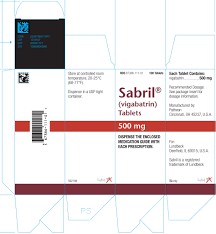
Secondly, attention should be paid to the enhancement of the central inhibitory effect when used in combination. Adverse reactions such as excessive sedation, drowsiness, and mental retardation may occur when Vigabatrin is combined with other central nervous system depressants such as Phenobarbital and Diazepam. Such symptoms not only affect patients' daily life, but may also mask changes in epileptic seizure frequency, thereby interfering with doctors' evaluation of drug efficacy. Under such combination regimen, the dosage of each drug should be adjusted according to the patient's tolerance, and dynamic observation and blood drug concentration monitoring should be performed.
In addition, the combination of Vigabatrin and some drugs may affect their metabolism or efficacy. For example, some studies have found that it can reduce the blood concentration of traditional anti-epileptic drugs such as carbamazepine and phenytoin, thereby reducing the effectiveness of controlling epileptic seizures. This type of metabolism-related drug interaction needs to be detected promptly through blood testing, and the dosage of the accompanying drug can be adjusted if necessary.
In the clinical practice of multi-drug treatment of epilepsy, the combination strategy needs to be comprehensively considered based on the patient's specific epilepsy type, seizure frequency, individual tolerance and comorbid diseases. Vigabatrin is usually used for patients whose single drug control is not effective, so it often plays an auxiliary and strengthening role in combination regimens. However, its irreversible inhibition of GABA-T also means that its mechanism of action is different from other reversible GABA-enhancing drugs. Therefore, there should be sufficient buffer time when the drug is withdrawn or the dose is increased or decreased, and one should be wary of rebound exacerbation of symptoms.
Special attention should be paid to the safety of combination regimens in pediatric patients. Because the central nervous system of children is not fully developed and is more sensitive to drugs, the minimum effective dose should be used when co-administering Vigabatrin, and visual, neurological and cognitive indicators should be monitored regularly. In addition, for children with learning disabilities, attention deficit or mental behavioral problems, the combined use of Vigabatrin with psychoactive drugs such as methylphenidate should be avoided to reduce the incidence of neurobehavioral side effects.
Reference materials:https://www.sabril.net/
[ 免责声明 ] 本页面内容来自公开渠道(如FDA官网、Drugs官网、原研药厂官网等),仅供持有医疗专业资质的人员用于医学药学研究参考,不构成任何治疗建议或药品推荐。所涉药品可能未在中国大陆获批上市,不适用于中国境内销售和使用。如需治疗,请咨询正规医疗机构。本站不提供药品销售或代购服务。


