
.jpeg)
What issues should you pay special attention to when using Platinib?
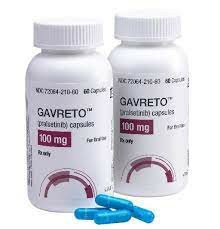
Pralsetinib is a targeted drug that targets specific gene mutations and is mainly used to treat certain types of tumors such as non-small cell lung cancer. Although platinib has shown good clinical efficacy, it may be accompanied by a variety of adverse reactions and precautions during use. During treatment with Platinib, patients should pay close attention to the following key issues and fully communicate with their doctors.
1. Interstitial Lung Disease (ILD)/Pneumonia
Patients taking platinib may develop severe, life-threatening, or fatal interstitial lung disease (ILD) or pneumonia. Patients should be monitored for pulmonary symptoms indicative of ILD or pneumonia, including dyspnea, cough, and fever. If acute or worsening respiratory symptoms occur, platinib should be discontinued immediately and detailed investigation should be performed to exclude the possibility of ILD. Prompt treatment of this situation is critical to protecting the patient's life.
2. High blood pressure
Studies have shown that approximately8% of Platinib patients discontinued dosing due to hypertension, and 4.8% of patients required dose reduction. Therefore, the patient's blood pressure control must be optimized before initiating treatment, and platinib should not be used in patients whose hypertension is not effectively controlled. Patients should monitor their blood pressure at least once a month during treatment, and initiate or adjust antihypertensive treatment appropriately according to clinical indications to ensure that their blood pressure is within a safe range.
3. Hepatotoxicity
Platinib may cause adverse reactions in the liver. According to statistics, about 1.5% of patients will experience severe liver toxicity, 49% of patients will experience an increase in AST, and 37% of patients will experience an increase in ALT. Before starting to take platinib, it is recommended to monitor AST and ALT levels every two weeks for the first 3 months, and then monthly as clinically necessary to detect and deal with potential liver function abnormalities early.
4. Bleeding
Serious bleeding events, including fatal bleeding, may also occur in patients taking platinib. Data showed that 4.1% of patients experienced grade ≥3 bleeding events, including 1 fatal bleeding event. For patients who develop severe or life-threatening bleeding, platinib must be permanently discontinued to prevent further health risks.
5. Tumor lysis syndrome (TLS)
The risk of TLS is significantly increased for patients with rapidly growing tumors, heavy tumor burden, renal dysfunction, or dehydration. Therefore, it is necessary to closely monitor these high-risk patients and take appropriate preventive measures, such as rehydration, and conduct corresponding treatment according to clinical indications to reduce the incidence of TLS.
6. Impaired wound healing
Platinib may also cause impaired wound healing, particularly in patients receiving drugs that inhibit the vascular endothelial growth factor (VEGF) signaling pathway. Platinib should be stopped for at least 5 days before planned elective surgery and at least 2 weeks after major surgery until the wound has completely healed before restarting. At this time, the safety of resuming platinib has not been established, so managing wound healing is important.
In summary, the use of platinib requires rigorous monitoring and management to ensure patient safety. During the entire treatment period, patients should communicate with their doctors in a timely manner, report any discomfort or abnormal symptoms, and undergo necessary examinations and evaluations. Through reasonable risk management, patients can better enjoy the therapeutic effects of Platinib while reducing the risk of potential adverse reactions, thereby improving the overall quality of life.
Reference: https://gavreto.com/
[ 免责声明 ] 本页面内容来自公开渠道(如FDA官网、Drugs官网、原研药厂官网等),仅供持有医疗专业资质的人员用于医学药学研究参考,不构成任何治疗建议或药品推荐。所涉药品可能未在中国大陆获批上市,不适用于中国境内销售和使用。如需治疗,请咨询正规医疗机构。本站不提供药品销售或代购服务。


