
.jpeg)
Can Etrasimod cure ulcerative colitis?
Etrasimod has been a cutting-edge drug in the field of inflammatory bowel disease in recent years. Due to its unique targeting mechanism and oral administration form, it has shown good efficacy in clinical studies, especially in the treatment of moderate to severe Ulcerative Colitis (UC). However, it is worth clarifying that none of the current treatment options, including itrimod, can achieve a “radical cure” for ulcerative colitis. The reason is that UC is a chronic, autoimmune-mediated inflammatory disease with complex causes involving multiple factors such as genetics, environment, intestinal flora, and immune system abnormalities. It is still not possible to completely eliminate the root cause of the disease through a single treatment.
Itramodis a selective sphingosine-1-phosphate receptor (S1PR) modulator, which mainly acts on S1PR1, S1PR4 and S1PR5. Its core mechanism is to regulate the migration path of T cells from lymph nodes to peripheral blood, thereby reducing the accumulation of activated T cells in the intestinal mucosa. One of the key pathological processes of ulcerative colitis is the massive infiltration of activated T lymphocytes into the intestine, leading to mucosal inflammation, edema and tissue destruction. Itramod achieves precise regulation of the inflammatory response by controlling the flow of these immune cells.
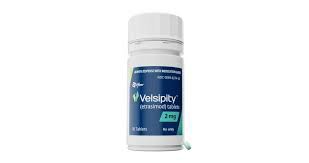
The OASIS Phase II clinical study and its subsequent open-label expansion trial showed that once-daily oral administration of itrimod can relieve UC symptoms, such as diarrhea, bloody stools and abdominal pain, in the short term, and achieve mucosal healing in a certain proportion of patients. This efficacy is not only significantly higher than placebo, but is also well tolerated and common side effects are relatively mild, making it an important addition to the UC treatment field after traditional 5-ASA drugs, biological agents and JAK inhibitors. Especially for patients who are intolerant to injectable biologic drugs or are at risk of infection, Itramod provides the feasibility of non-biological, non-hormonal oral therapy.
However, even if itrimod has achieved considerable results in inducing and maintaining remission, it cannot be considered to have a "curative" effect. The nature of ulcerative colitis is chronic and relapsing, and its treatment goals are to control the disease in the long term, reduce recurrence, delay progression, and improve quality of life. Therefore, Itramod is viewed more as an immunomodulatory treatment that can prolong the remission period and reduce the relapse rate, rather than as a one-time cure. Patients still need to conduct long-term follow-up and monitoring under the guidance of doctors, and dynamically adjust drug dosage or change treatment strategies according to their condition.
At present, Itrimodhas been approved for marketing in the United States and other countries, and is used to treat patients with moderate to severe active UC. U.S. and European versions of the original drug are already circulating in overseas markets. And in mainland China,Itramod has not yet received marketing approval, nor has it been included in the national medical insurance directory. However, as the incidence of inflammatory bowel disease in China increases year by year, and patients' demand for safer and more convenient treatment options continues to increase, itrimod is expected to enter the Chinese market in the future, bringing more treatment options to IBD patients.
Reference materials:https://www.drugs.com/mtm/etrasimod.html
[ 免责声明 ] 本页面内容来自公开渠道(如FDA官网、Drugs官网、原研药厂官网等),仅供持有医疗专业资质的人员用于医学药学研究参考,不构成任何治疗建议或药品推荐。所涉药品可能未在中国大陆获批上市,不适用于中国境内销售和使用。如需治疗,请咨询正规医疗机构。本站不提供药品销售或代购服务。


