
.jpeg)
Comprehensive introduction and application guidelines for the scope of indications and therapeutic effects of amivantamab
Scope of indications
Evantumumab is mainly approved for the treatment of patients with locally advanced or metastatic non-small cell lung cancer carrying EGFR exon 20 insertion mutations. Patients with such mutations usually respond poorly to traditional EGFR tyrosine kinase inhibitor (TKI) treatment and have limited treatment options. By simultaneously targeting the EGFR and ALK pathways, evantumumab can not only effectively block the proliferation signals of tumor cells, but also activate the immune system to attack tumors and overcome drug resistance. In addition, evantumumab is also exploring its therapeutic effect on patients with ALK-positive NSCLC and other EGFR mutation types in clinical trials, and its indications may be further expanded in the future.
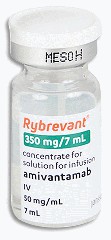
Multiple clinical studies have shown that evantumumab has achieved impressive efficacy in patients with non-small cell lung cancer with EGFR exon 20 insertion mutations. In a pivotal phase II clinical trial, the objective response rate (ORR) of patients treated with evantumumab exceeded 40%, and the median progression-free survival (PFS) reached more than 8 months, which was significantly better than previous standard treatment options. This efficacy brings patients longer survival time and better quality of life. In addition, evantumumab is well tolerated, and common side effects include rash, respiratory tract infection, and infusion reactions, all of which are controllable.
Application Guide and Usage Precautions
Evantumumab is administered as an intravenous infusion. The initial dose is usually calculated based on the patient's body surface area and weight, followed by maintenance therapy according to a periodic schedule. In clinical application, it is recommended to conduct treatment under the guidance of an experienced oncology medical team, and to closely monitor the patient's side effects and changes in efficacy. Patients with infusion reactions should be given corresponding preventive and supportive treatment, and the dose should be adjusted or medication suspended if necessary. For patients with hepatic insufficiency or other serious comorbidities, the risks of medication need to be carefully assessed.
Overall, evantumumab, as the first bispecific antibody approved for non-small cell lung cancer with EGFR exon 20 insertion mutations, brings new treatment hope to this special group of patients. In the future, with the accumulation of more clinical data and the expansion of indications, evantumumab is expected to become an important part of the treatment of advanced lung cancer, helping more patients prolong their lives and improve their quality of life. When using this drug, patients should follow the guidance of a professional doctor and choose an appropriate treatment plan based on their own condition.
Reference: https://www.rybrevant.com/
[ 免责声明 ] 本页面内容来自公开渠道(如FDA官网、Drugs官网、原研药厂官网等),仅供持有医疗专业资质的人员用于医学药学研究参考,不构成任何治疗建议或药品推荐。所涉药品可能未在中国大陆获批上市,不适用于中国境内销售和使用。如需治疗,请咨询正规医疗机构。本站不提供药品销售或代购服务。


