
.jpeg)
Erdafitinib belongs to which generation of targeted therapy drug classification
Erdafitinib is a new type of small molecule targeted drug that mainly acts on the fibroblast growth factor receptor (FGFR) family and is classified as a first-generation FGFR targeted inhibitor. Unlike EGFR or ALK targeted drugs that have undergone multiple generations of updates, FGFR pathway-targeted treatments have been developed relatively late and are still in the clinical application stage of the first generation of drugs. Erdafitinib is one of the representative drugs, marking the transition from theory to practical application of FGFR targeted therapy.
Erdafitinib mainly inhibitsFGFR1, FGFR2, FGFR3 and FGFR4 and other isoforms can block the activation of the FGFR signaling pathway, thereby inhibiting the growth and differentiation of tumor cells. In some tumor types, such as bladder cancer, cholangiocarcinoma, etc., mutations, fusions or amplifications of the FGFR gene are considered to be important factors driving cancer progression. The successful development of erdafitinib provides a new option for targeted treatment for these patients with FGFR gene abnormalities.
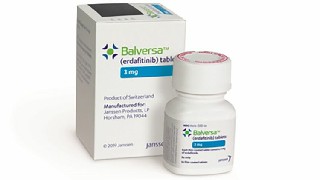
Currently, erdafitinib is FDAapproved for the treatment of patients with locally advanced or metastatic urothelial cancer (primarily bladder cancer) harboring FGFR2 or FGFR3 mutations, particularly in the setting after failure of first-line platinum-containing therapy. Compared with traditional chemotherapy, erdafitinib has demonstrated a higher response rate and better progression-free survival by precisely targeting the molecular mechanism of the disease, demonstrating its key position in FGFR targeted therapy.
In general, erdafitinib is a representative of the first generation of FGFR targeted therapy drugs. Its advent has filled the gap in drugs targeting this pathway and brought new hope to tumor patients with related gene abnormalities. Although it is still a first-generation drug, as the resistance mechanism gradually becomes clear, more second- and third-generation FGFR inhibitors may be released in the future to further improve the therapeutic effect and deal with the problem of resistance.
Reference link:https://www.balversa.com/
[ 免责声明 ] 本页面内容来自公开渠道(如FDA官网、Drugs官网、原研药厂官网等),仅供持有医疗专业资质的人员用于医学药学研究参考,不构成任何治疗建议或药品推荐。所涉药品可能未在中国大陆获批上市,不适用于中国境内销售和使用。如需治疗,请咨询正规医疗机构。本站不提供药品销售或代购服务。


