
.jpeg)
Introduction to the indications and efficacy of gosatuzumab (Todavir) in the treatment of lung cancer
Gosatuzumab (Trodelvy) is an innovative antibody-drug conjugate (ADC) that has attracted widespread attention in the field of lung cancer treatment in recent years. As a targeted therapy, gosatuzumab combines the specificity of a monoclonal antibody with the powerful killing power of a cytotoxin, maximizing the therapeutic effect by precisely targeting cancer cells and releasing cytotoxins while reducing damage to normal cells. This article will introduce in detail the indications and clinical efficacy of gosatuzumab in the treatment of lung cancer to help patients and medical staff better understand its role and value.
1. Basic mechanism of action of gosatuzumab
Gosatuzumab is composed of a specific monoclonal antibody conjugated with a cytotoxin. The monoclonal antibody part can target specific antigens on the surface of lung cancer cells. The most common one is the Trop-2 protein, which is a transmembrane glycoprotein highly expressed in a variety of cancers. By combining with Trop-2, the drug can accurately enter cancer cells, release cytotoxins, and directly kill cancer cells, while avoiding the extensive damage to normal cells caused by traditional chemotherapy. This precise release mechanism gives gosatuzumab significant advantages in the treatment of patients with refractory and recurrent lung cancer.
2. Scope of indications
Gosatuzumab is currently mainly approved for the treatment of patients with advanced non-small cell lung cancer (NSCLC) and small cell lung cancer (SCLC) who have progressed despite standard treatment. Especially for patients who have previously received chemotherapy, immunotherapy or targeted therapy that failed, gosatuzumab provides a new treatment option. According to clinical trial data, the drug is suitable for patients with lung cancer expressing Trop-2, further promoting the development of personalized treatment.
In addition, gosatuzumab is particularly effective in certain lung cancer subtypes. For example, in the field of small cell lung cancer, due to the highly aggressive disease, high recurrence rate, and limited traditional treatment options, the introduction of gosatuzumab has significantly improved patients' survival expectations and quality of life. In recent years, drugs have also shown potential in other solid tumor areas, but lung cancer is still its main clinical application direction.
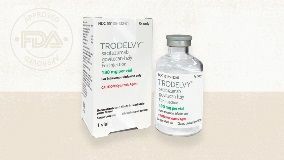
3. Clinical efficacy performance
Multiple key clinical studies have shown that gosatuzumab has achieved encouraging efficacy in the treatment of patients with advanced lung cancer. For patients who failed previous multiple lines of treatment, gosatuzumab demonstrated a higher overall response rate (ORR) and significantly prolonged progression-free survival (PFS) and overall survival (OS). After patients received gosatuzumab treatment, the proportion of tumor shrinkage increased significantly, and some patients even achieved complete remission.
At the same time, gosatuzumab has better tolerability than traditional chemotherapy regimens. Although patients may still experience a certain degree of side effects, such as rash, fatigue, nausea, etc., the overall toxic and side effects are relatively controllable, and most adverse events can be alleviated through symptomatic treatment. The good safety profile allows patients to continue treatment and achieve longer disease control.
4. Future development and clinical prospects
As a new antibody-conjugated drug, gosatuzumab is widely optimistic about its future role in the treatment of lung cancer. As more clinical trials are conducted, the scope of indications of the drug is expected to be further expanded, including adjuvant treatment of early lung cancer and combined immunotherapy. In addition, the synergistic effect of gosatuzumab in combination with other targeted drugs and immune checkpoint inhibitors is also being actively explored, with the hope of bringing a more comprehensive treatment plan to lung cancer patients.
At the same time, with the deepening of precision medicine, personalized medication strategies based on tumor molecular characteristics will become more complete. Gosatuzumab precisely targets the Trop-2 protein, which fits this trend. In the future, the use of molecular diagnostic technology to screen suitable patients will further improve the efficacy and safety of drugs and achieve new breakthroughs in the treatment of lung cancer.
In summary, gosatuzumab (Todavi), with its unique antibody-conjugated drug advantages, has become an important treatment option for patients with advanced lung cancer, especially those who have failed multiple lines of treatment. Its mechanism of precise targeting and effective killing of cancer cells has brought significant clinical benefits and good safety. As research continues to deepen and the scope of application expands, gosatuzumab is expected to bring more hope for survival and improve the quality of life for lung cancer patients, pushing lung cancer treatment to a new stage of more precision and efficiency.
Reference materials:https://www.trodelvy.com/
xa0
[ 免责声明 ] 本页面内容来自公开渠道(如FDA官网、Drugs官网、原研药厂官网等),仅供持有医疗专业资质的人员用于医学药学研究参考,不构成任何治疗建议或药品推荐。所涉药品可能未在中国大陆获批上市,不适用于中国境内销售和使用。如需治疗,请咨询正规医疗机构。本站不提供药品销售或代购服务。


