
.jpeg)
Analysis of usage and indications in the drug instructions for pemetinib
Pemigatinib (Pemigatinib) is an oral targeted anti-cancer drug that is an FGFR (fibroblast growth factor receptor) kinase inhibitor and is mainly used to treat malignant tumors with specific gene mutations. This article will analyze in detail the usage, dosage and indications in the drug instructions of pemetinib to help patients and medical staff better understand and use this drug.
1. Drug introduction and mechanism of action
Pemetinib is a small molecule targeted drug that selectively inhibits the tyrosine kinases of FGFR1, FGFR2 and FGFR3. The FGFR signaling pathway plays an important role in cell proliferation, differentiation and angiogenesis, and FGFR gene fusion or mutation is common in various tumors such as cholangiocarcinoma and bladder cancer, promoting cancer cell growth and tumor progression. Pemetinib achieves anti-cancer effects by inhibiting abnormally active FGFR signaling, thereby blocking the proliferation and survival of tumor cells.
2. Indications
According to the drug instructions and information approved by the national drug regulatory department, pemetinib is mainly suitable for the following patients:
Patients with locally advanced or metastatic cholangiocarcinoma and patients with FGFR2 gene fusion or rearrangement in the tumor tissue. This indication is the core indication currently approved for pemetinib and is suitable for patients who have failed or cannot tolerate systemic treatment in the past.
Patients with other solid tumors containing FGFR gene fusions or mutations are currently being explored in clinical research and expanded indications in some countries, such as bladder cancer, lung cancer, etc., but specific indications need to be combined with the patient's genetic test results and doctor's judgment.
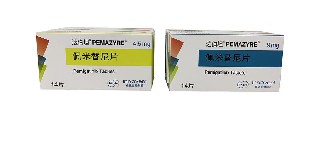
3. Usage and dosage
Pemetinib is administered orally, and patients should strictly follow the doctor's prescription and drug instructions. Common usage and dosage are as follows:
The standard dose is 13.5mg once a day, taken continuously for 14 days, and then discontinued for 7 days, completing a 21 day treatment cycle.
It is recommended to take the medicine at a fixed time every day, and it can be taken on an empty stomach or after a meal. However, the daily taking time must be consistent to ensure stable drug blood concentration.
Patients should swallow pemetinib tablets whole and should not be chewed, crushed or divided to ensure the sustained release and efficacy of the drug.
For patients who experience severe side effects, such as hypophosphatemia, abnormal liver function, retinal disease, etc., doctors may adjust the dose, extend the withdrawal time, or temporarily discontinue the drug based on the patient's specific conditions.
4. Precautions and medication monitoring
Gene testing: Before the use of pemetinib, FGFR2 gene fusion or rearrangement testing should be performed to determine whether the patient has this target. This drug is not recommended for patients who have not been tested or who have tested negative.
Serum phosphorus monitoring:FGFROne of the common side effects of inhibitors is hyperphosphatemia. It is recommended that patients regularly monitor serum phosphorus levels and make dietary adjustments or be given phosphate binder treatment if necessary.
Eye examination: Because pemetinib may cause retinal problems, patients should undergo eye examinations before and during treatment. If any abnormalities in vision are found, they should seek medical attention promptly.
Liver function monitoring: Liver function indicators should be monitored during medication, and any abnormalities should be dealt with promptly.
Use with caution in pregnant and lactating women: Pemetinib may have an impact on the fetus and is contraindicated in pregnant women. Lactating women should suspend breastfeeding or avoid taking the drug.
5. Efficacy and clinical data
Pemetinib has shown significant efficacy in the treatment of FGFR2 fusion-positive cholangiocarcinoma patients. Key clinical trials show that the drug can shrink tumors in some patients and extend progression-free survival and overall survival. In addition, the oral administration of pemetinib improves patient compliance and quality of life.
Pemetinib, as a targeted drug targeting the FGFR signaling pathway, has opened up a new treatment approach for FGFR related tumors such as cholangiocarcinoma. Its indications mainly focus on patients with locally advanced and metastatic cholangiocarcinoma with FGFR2 gene fusion or rearrangement. Standard usage is 13.5mg orally administered daily, using a cycle pattern of 14 days of medication plus 7 days of rest. When using this drug, you need to strictly abide by the genetic test results, closely monitor blood phosphorus, vision and liver function, and deal with side effects in a timely manner. In the future, with the accumulation of more clinical data, pemetinib is expected to expand its indications and bring good news to more cancer patients.
Reference materials:https://go.drugbank.com/drugs/DB15102
[ 免责声明 ] 本页面内容来自公开渠道(如FDA官网、Drugs官网、原研药厂官网等),仅供持有医疗专业资质的人员用于医学药学研究参考,不构成任何治疗建议或药品推荐。所涉药品可能未在中国大陆获批上市,不适用于中国境内销售和使用。如需治疗,请咨询正规医疗机构。本站不提供药品销售或代购服务。


