
.jpeg)
The therapeutic effect of Thiotepa on central nervous system lymphoma
Thiotepa (Thiotepa) is a classic alkylating agent anti-cancer drug. In recent years, it has received increasing attention in the treatment of central nervous system lymphoma (CNSL). Due to its unique molecular structure and good lipid solubility, thiotepa can penetrate the blood-brain barrier, enter the cerebrospinal fluid and act on lymphoma cells in brain tissue. This is one of the advantages that many other chemotherapy drugs are difficult to achieve. Therefore, it has become an important component of first-line conditioning drugs or pre-transplantation intensity-modulated regimens for the treatment of CNSL.
In practical applications, thiotepa is often used in the pretreatment program before autologous hematopoietic stem cell transplantation (ASCT), and is used in combination with other drugs such as fludarabine, cytarabine, melphalan, etc., to increase the intensity of chemotherapy and reduce the risk of tumor recurrence. Studies have shown that this high-dose chemotherapy regimen can significantly improve the remission rate and long-term survival rate of CNSL patients, and is especially suitable for consolidation treatment after initial treatment or re-induction treatment after relapse.
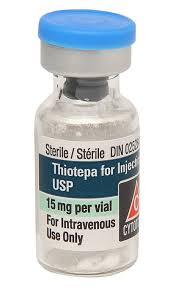
Clinical studies have also found that thiotepa combined with other high-penetration drugs can effectively remove residual tumor cells in cerebrospinal fluid and reduce the probability of meningeal recurrence. Some data show that patients in consolidation or salvage treatment regimens with thiotepa have significantly lower central nervous system relapse rates than controls without the drug, further supporting its key role in the treatment of CNSL.
However, although thiotepa has good efficacy, its use is also accompanied by certain adverse reactions, such as bone marrow suppression, nausea and vomiting, alopecia, etc., and high-dose application must be carried out in experienced medical institutions. Overall, thiotepa provides an effective and targeted treatment option for patients with central nervous system lymphoma, and may be more widely recommended in guidelines in the future as more clinical data accumulate.
Reference materials:https://www.drugs.com/donanemab.html
[ 免责声明 ] 本页面内容来自公开渠道(如FDA官网、Drugs官网、原研药厂官网等),仅供持有医疗专业资质的人员用于医学药学研究参考,不构成任何治疗建议或药品推荐。所涉药品可能未在中国大陆获批上市,不适用于中国境内销售和使用。如需治疗,请咨询正规医疗机构。本站不提供药品销售或代购服务。


