
.jpeg)
Actual efficacy and research analysis of Seladelpar in the treatment of primary biliary cholangitis (PBC)
In recent years, the treatment of primary biliary cholangitis (PBC), a chronic progressive cholestatic liver disease, has gradually received attention. Especially against the background that traditional treatments such as ursodeoxycholic acid (UDCA) are insufficiently effective or poorly tolerated by patients, Seladelpar (Seladelpar) is a new PPARδ agonist, and its efficacy and safety have been verified in multiple clinical studies and real-world applications.
In the global phase III clinical trial "RESPONSE" released in 2023, Seladelpar demonstrated significant therapeutic advantages. A total of 193 PBC patients were included in the trial, who received daily 10 mg Seladelpar or placebo. During the 12 months of treatment, 61.7% of the patients in the Seladelpar group achieved the composite primary endpoint, that is, alkaline phosphatase (AL P) dropped to less than 1.67 times of the upper limit of normal, and total bilirubin was normal; while in the placebo group it was only 20%, with a gap as high as 41.7 percentage points. In addition, 25% of patients in the Seladelpar group achieved complete normalization of ALP, while none in the placebo group achieved complete normalization. This shows that it not only has a significant reducing effect on hepatobiliary enzyme levels, but also slows down disease progression and prevents liver fibrosis.
Not only that, Seladelpar also has outstanding performance in alleviating patients' subjective symptoms. In clinical studies, patients often reported significant improvements in itch symptoms, especially in those with moderate to severe itch, where the average itch score dropped by 3.2 points (out of 10 points), while placebo only improved 1.7 points. Some studies have also pointed out that many patient self-evaluation indicators such as sleep quality and life quality index have been significantly improved after treatment. For PBC patients, itching is an extremely painful symptom that affects the quality of life. Seladelpar’s relieving effect in this regard provides important support for its application.
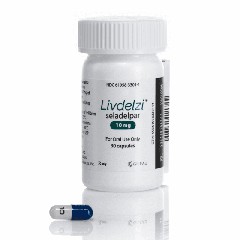
Real-world application data further confirms its stable and effective therapeutic value. In the open-label continuation study (the ASSURE trial), 148 patients completed at least 12 months of treatment, and the results showed that 70% achieved the primary composite biochemical endpoint, of which 37%achievedALP normalization; ALT, GGT and other indicators fell by 23% and 36% respectively. And as the treatment cycle is extended, the efficacy is continuously maintained, and no drug resistance develops. At the same time, the patient's bile acid levels were significantly reduced, reflecting improved hepatobiliary excretion function. Most importantly, this study shows that Seladelpar is generally well tolerated, with most adverse reactions such as mild abdominal pain and headaches controllable, and the discontinuation rate is extremely low, further enhancing its applicability in the long-term management of chronic diseases.
In addition to efficacy, safety is also an important criterion for evaluating new drugs. Data from three double-blind, placebo-controlled Meta-analyses, which pooled data from 496 patients, showed that while the Seladelpar group achieved treatment endpoints, the rate of serious adverse events was not significantly different from the placebo group. This shows that it does not bring additional safety burden while improving the condition. In the long-term treatment follow-up (up to 30 months), Seladelpar had no serious safety events directly related to the drug, indicating that the drug has a good basis for long-term use.
At the policy and regulatory level, the U.S.FDA has approved Seladelpar in 2024 It is marketed for the treatment of PBC, and the European Medicines Agency (EMA) also granted its market access authorization at the beginning of 2025. In the Chinese market, although the drug has not yet been officially launched, in special approval areas such as Hainan Lecheng Pilot Zone, clinical institutions have carried out pilot treatments through licensed introduction. This means that domestic PBC patients are expected to use Seladelpar to obtain more advanced and more precise treatment options in the near future.
Overall,SeladelparAs an innovative therapy targeting PPARδ, its efficacy in primary biliary cholangitis has been widely verified. Not only is it superior to traditional treatments in terms of improving liver function biochemical indicators, but it also shows great potential in relieving itching symptoms and improving quality of life. With the in-depth advancement of follow-up research and global marketing promotion, Seladelpar is expected to become a new standard in the treatment field of PBC and release greater potential in the future exploration of indications such as combination therapy and autoimmune liver diseases. For the majority of PBC patients, the emergence of Seladelpar is undoubtedly a major benefit and is expected to rewrite the long-term treatment pattern of "treating the symptoms but not the root cause".
Reference materials:https://www.drugs.com/donanemab.html
[ 免责声明 ] 本页面内容来自公开渠道(如FDA官网、Drugs官网、原研药厂官网等),仅供持有医疗专业资质的人员用于医学药学研究参考,不构成任何治疗建议或药品推荐。所涉药品可能未在中国大陆获批上市,不适用于中国境内销售和使用。如需治疗,请咨询正规医疗机构。本站不提供药品销售或代购服务。


