
.jpeg)
Pay attention to details when using regorafenib in HIV-infected patients
ForHIV-infected patients, the treatment strategy for combined tumors is particularly complex. Especially when using targeted drugs such asRegorafenib, it is necessary to take into account the interaction and safety of antiviral therapy (ART) and tumor treatment. As an oral multi-target tyrosine kinase inhibitor, regorafenib is mainly metabolized by the CYP3A4 enzyme, which makes it possible to have potential drug interactions with many HIV antiretroviral drugs, especially those drugs that are also metabolized by CYP3A4 or have enzyme induction/inhibition effects, such as enhancer ingredients such as ritonavir or cobicistat. If not properly handled, this interaction may lead to an increase or decrease in the plasma concentration of regorafenib, thereby increasing the risk of toxicity or reducing anti-tumor efficacy.
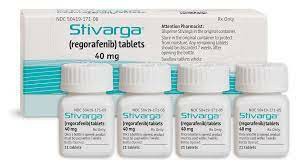
In actual management,when HIV-infected patients use regorafenib, an individualized treatment plan should be formulated in collaboration with the oncology department and the infectious disease department. First, the current antiviral drug list needs to be systematically evaluated to avoid sharing drugs with serious interactions with regorafenib. If it is not feasible to adjust the antiviral regimen, the dose of regorafenib needs to be dynamically monitored and adjusted, supplemented by frequent blood pressure, liver function, and skin toxicity monitoring. In addition, HIV itself may also lead to low immune function. Some immune-related side effects of regorafenib, such as increased susceptibility to infection, require additional attention.
Another important consideration is the double burden of drugs on the liver. Some HIV patients have abnormal liver function or co-infection with chronic hepatitis, and regorafenib is mainly metabolized by the liver, and common side effects include elevated liver enzymes. Therefore, liver function must be closely monitored during medication, and the dose must be adjusted promptly or treatment suspended when indicators are abnormal. Patients should also avoid ingesting alcohol and other hepatotoxic substances to prevent increased burden on the liver.
Reference materials:https://www.stivarga-us.com/
[ 免责声明 ] 本页面内容来自公开渠道(如FDA官网、Drugs官网、原研药厂官网等),仅供持有医疗专业资质的人员用于医学药学研究参考,不构成任何治疗建议或药品推荐。所涉药品可能未在中国大陆获批上市,不适用于中国境内销售和使用。如需治疗,请咨询正规医疗机构。本站不提供药品销售或代购服务。


