
.jpeg)
How long does it take for fenelidone to take effect and its efficacy evaluation
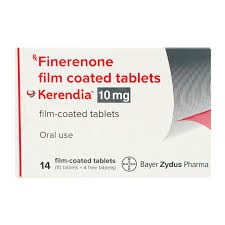
Finerenone as a new non-steroidal aldosterone receptor antagonist, is mainly used for patients suffering from type 2 diabetes-related chronic kidney disease (CKD). Its core role is to slow down the decline of renal function and reduce the risk of cardiovascular events. After taking the drug, it usually takes a period of time for patients to observe obvious therapeutic effects, which is closely related to the mechanism of action of the drug and the characteristics of disease progression. According to overseas research and clinical experience data, biological responses to fenelidone can be observed through laboratory indicators a few weeks after taking the drug. The earliest effect is usually reflected in the decrease in urinary albumin/creatinine ratio (UACR), and an initial improvement trend in proteinuria can be seen around 4 to 12 weeks.
However, the real clinical benefits of fenelinone, including delaying the deterioration of renal function, reducing heart failure hospitalization or cardiovascular death, often require longer periods of observation. Preliminary efficacy evaluation can usually be carried out within 3 to 6 months through eGFR change trends, continued improvement in urinary protein, and serum potassium stability. Long-term protection against end-stage kidney disease (ESKD) and adverse cardiovascular events can only be fully assessed after one year or more of regular use.
When doctors evaluate the efficacy of fenelidone, they will comprehensively consider factors such as the patient's initialeGFR level, whether there is combined hypertension, basic proteinuria level, and whether a RAAS inhibitor is used concurrently. Assessment methods mainly include renal function laboratory tests (such as eGFR, Scr), proteinuria monitoring (UACR), changes in serum potassium concentration, and whether drug-related side effects occur. It should be emphasized that serum potassium levels must be monitored regularly during medication to avoid the risk of hyperkalemia, especially when other drugs that affect electrolytes are used together.
Reference materials:https://www.kerendia.com/
[ 免责声明 ] 本页面内容来自公开渠道(如FDA官网、Drugs官网、原研药厂官网等),仅供持有医疗专业资质的人员用于医学药学研究参考,不构成任何治疗建议或药品推荐。所涉药品可能未在中国大陆获批上市,不适用于中国境内销售和使用。如需治疗,请咨询正规医疗机构。本站不提供药品销售或代购服务。


