
.jpeg)
What should elderly patients pay special attention to when using pazopanib?
Elderly patients need to pay special attention to a series of age-related pharmacokinetic differences and potential risk factors when using Pazopanib to treat renal cell carcinoma and soft tissue sarcoma. Although data from multiple key clinical trials show that there is no significant difference in overall efficacy between patients over 65 years old and younger patients, the incidence and severity of adverse reactions are significantly higher in the elderly. This also suggests that when formulating individualized treatment plans, special management needs to be carried out based on the characteristics of elderly patients.
First of all, from the perspective of drug metabolism, pazopanib is mainly metabolized by the liver. Compared with young people, the liver function of elderly patients usually degrades to a certain extent. In addition, there may be underlying liver diseases, which reduces the metabolism and clearance ability of the drug in the body, which can easily lead to an increase in blood drug concentration, thereby exacerbating toxic and side effects. Pazopanib clinical data shows that in patients 65 years of age and older, the incidence of alanine aminotransferase (ALT) elevation exceeding 3 times ULN (upper limit of normal) is as high as 23%, which is significantly higher than the 18% rate in younger patients. This shows that the elderly are more likely to suffer liver function damage during the use of pazopanib, so the frequency of liver function monitoring needs to be strengthened during treatment, and the dose should be adjusted or drug discontinuation intervention considered if necessary.
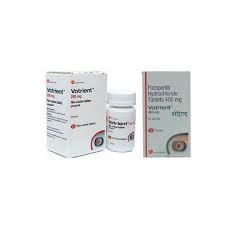
In addition, the elderly are more likely to suffer from severe fatigue, high blood pressure, decreased appetite and elevated liver enzymesGrade 3 or 4 toxic reactions. Taking soft tissue sarcoma (STS) research as an example, the incidence of grade 3 or above fatigue in patients over 65 years old was as high as 19%, compared with 12% in patients under 65 years old; the incidence of hypertension was 10% vs. 6%; and the incidence of decreased appetite was 11% vs. 2%. These data suggest that although pazopanib is comparable in disease control to younger patients, the systemic adverse effects it induces are more clinically significant in older adults and require early recognition and comprehensive management. For example, fatigue may reduce the daily functional level of elderly patients and affect their quality of life. If hypertension is not well controlled, it may increase the burden on the cardiovascular and cerebrovascular vessels and induce serious complications such as stroke or heart failure.
Another important concern is the issue of co-medication. The elderly often have multiple chronic diseases, such as diabetes, hypertension, coronary heart disease, etc., and may take multiple drugs at the same time. This multi-drug concomitant use is likely to increase the risk of drug interactions, especially drugs that are metabolized by the liver like pazopanib, such as the anticoagulant warfarin, lipid-lowering statins, certain antidepressants, etc., which may affect the plasma concentration of pazopanib. In addition, certain drugs may interfere with pazopanib's protein binding, intestinal absorption, or renal excretion. Therefore, elderly patients need to conduct a comprehensive medication evaluation before starting pazopanib treatment, and regularly review blood drug concentrations and key biochemical indicators.
In terms of treatment strategy, it is recommended that elderly patients adopt a more conservative starting dose and adjust or maintain the dose according to individual tolerance. Especially those with large fluctuations in liver function indicators and poor control of basic cardiovascular and cerebrovascular diseases need to carefully evaluate whether they are suitable for continued medication. At the same time, regular blood pressure monitoring, liver enzyme testing and weight change recording can effectively prevent and intervene in drug-related toxic reactions. For elderly patients with poor ability to take care of themselves or without family care support, health education needs to be strengthened to ensure that they understand the importance of medication compliance and can identify and report adverse reactions in a timely manner.
Reference materials:https://www.votrient.com/
[ 免责声明 ] 本页面内容来自公开渠道(如FDA官网、Drugs官网、原研药厂官网等),仅供持有医疗专业资质的人员用于医学药学研究参考,不构成任何治疗建议或药品推荐。所涉药品可能未在中国大陆获批上市,不适用于中国境内销售和使用。如需治疗,请咨询正规医疗机构。本站不提供药品销售或代购服务。


