
.jpeg)
What is the relationship between tepotinib and pembrolizumab? Comparative analysis of drug differences
Tepotinib and Pembrolizumab (Pembrolizumab) both play important roles in the treatment of tumors such as lung cancer, but they belong to completely different treatment mechanisms and pharmacological categories, and represent the cutting-edge direction of targeted therapy and immunotherapy respectively.
Tepotinib is a small moleculeMET tyrosine kinase inhibitor (MET-TKI), mainly used to treat MET exon 14 skipping (MET exon 14 Non-small cell lung cancer (NSCLC) caused by skipping); and pembrolizumab is an immune checkpoint inhibitor and belongs to the anti-PD-1 monoclonal antibody class. It is widely used in the immunotherapy of various cancers by activating T cell anti-tumor responses, including NSCLC, melanoma, bladder cancer, etc. There are essential differences in the treatment mechanism between the two: Tepotinib prevents cancer cell proliferation and metastasis by directly inhibiting abnormal signaling pathways in tumor cells; while pembrolizumab enhances the body's own immune system's ability to recognize and eliminate cancer cells by lifting the inhibitory state of T cells.
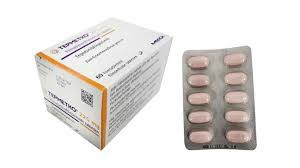
From the perspective of indications, the use of tepotinib is relatively more precise and narrowed, often relying on molecular diagnosis to identify patients with positive MET mutations, emphasizing individualized treatment; pembrolizumab has a wider scope of application and can be used in patients with high PD-L1 expression, and can even be used as a first-line immune monotherapy or in combination with chemotherapy in some specific cases. Although both can be used to treat the same disease (such as lung cancer), they target different molecular targets and treat different populations. A significant difference is that tepotinib is usually used in patients with established MET gene abnormalities. Such gene mutations are often associated with malignant progression of cancer and drug resistance. The efficacy of pembrolizumab is closely related to the expression level of PD-L1 in the patient's tumor tissue. Some patients need to judge the intensity of their PD-L1 expression through immunohistochemical staining (IHC) to determine whether it is suitable for use.
In terms of combination treatment strategies, some studies in recent years have also explored the possibility of combining targeted drugs with immunotherapy. However, in clinical practice, the combined use of tepotinib and pembrolizumab is not common, mainly because the two have different mechanisms and the risk of potential toxicity overlap needs to be carefully evaluated. At present, a small number of preliminary studies have tried to combine MET-TKI with immune checkpoint inhibitors, hoping to further activate the immune system after reducing the tumor load with targeted drugs to achieve a synergistic anti-cancer effect. However, this strategy is still in the exploratory stage and has not yet formed a recognized standard.
The differences between the two are also reflected in the side effects. Common adverse reactions of tepotinib include edema, nausea, fatigue and abnormal liver function, which are mainly related to tepotinibRelated to the inhibition of the MET pathway. The adverse reactions of pembrolizumab are more concentrated in immune-related side effects, such as immune pneumonitis, hepatitis, endocrine dysfunction, etc. Such reactions often require glucocorticoid intervention, and even require permanent discontinuation of the drug in severe cases. For this reason, although immunotherapy has cutting-edge mechanisms, its side effects are also more challenging to manage and must be used under the guidance of a professional team.
In summary, tepotinib and pembrolizumab are two types of anti-cancer drugs with different positioning and complementary mechanisms. The former is precise targeted therapy, and the latter is systemic immune activation. Both can be differentially selected based on tumor molecular characteristics and PD-L1 expression.
Reference materials:https://www.tepotinib.com/
[ 免责声明 ] 本页面内容来自公开渠道(如FDA官网、Drugs官网、原研药厂官网等),仅供持有医疗专业资质的人员用于医学药学研究参考,不构成任何治疗建议或药品推荐。所涉药品可能未在中国大陆获批上市,不适用于中国境内销售和使用。如需治疗,请咨询正规医疗机构。本站不提供药品销售或代购服务。


