
.jpeg)
Download the complete Chinese instruction manual of Fenelidone Tablets
Finerenone , trade name Kerendia, is a new non-steroidal selective aldosterone receptor antagonist (non-steroidal MRA) that has attracted widespread attention in recent years. It is mainly used to treat patients with chronic kidney disease (CKD) accompanied by type 2 diabetes, and can significantly reduce the risk of worsening renal function and adverse cardiovascular events. Compared with traditional steroid-based MRAs such as spironolactone and eplerenone, fenelinone has shown significant advantages in terms of selectivity, renal protection, and lower risk of hyperkalemia, and is therefore highly regarded by the medical community. Globally, fenelidone has been approved for marketing by many countries and included in clinical treatment plans. The content of its Chinese instructions also reflects its scientific basis of equal emphasis on safety and efficacy.
According to the drug instructions of fenelidone, its indications are: to reduce the risk of sustained decline in eGFR, end-stage kidney disease (ESKD), cardiovascular death, non-fatal myocardial infarction, and heart failure hospitalization in adult patients with chronic kidney disease (CKD) associated with type 2 diabetes. This definition emphasizes its preventive value, not only focusing on the long-term protection of renal function, but also emphasizing the intervention effect on cardiovascular events. It is currently a relatively advanced treatment concept in the field of CKD.
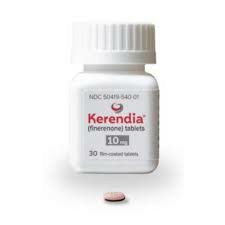
Regarding usage and dosage, the recommended dose of fenelidone is graded based on the patient'seGFR (estimated glomerular filtration rate). In terms of starting dose, those with eGFR ≥ 60 mL/min/1.73m² can be directly given 20 mg once a day, while those with eGFR between 25 and <60 are recommended to start with 10 mg once a day. If eGFR is <25, the drug is not recommended to prevent further aggravation of renal insufficiency. In terms of maintenance dose, the target is 20 mg once daily. If patients start with 10 mg, they need to evaluate whether to increase the dose based on the serum potassium value after 4 weeks.
Specifically, if the serum potassium value≤4.8 mEq/L, it can be increased from 10 mg to 20 mg once a day; if the serum potassium value is between 4.8-5.5 mEq/L, the original dose should be kept unchanged; when the serum potassium value exceeds 5.5 mEq/L, whether it is 10 mg or 20 mg, the drug needs to be temporarily discontinued until the serum potassium drops to ≤5.0 mEq/L, then resume use at a dose of 10 mg once daily. This dose adjustment mechanism emphasizes the monitoring and individualized management of hyperkalemia, helping to minimize the risk of side effects and embodies the concept of modern precision medicine.
In addition, fenelinone acts on aldosterone receptors pharmacologically, which is different from traditional steroidsCompared with MRA, its non-steroidal structure makes it more selective in binding to aldosterone and reduces the activation of other receptors such as glucocorticoid receptors, thereby effectively reducing the incidence of hormone-related side effects such as breast hyperplasia and sex hormone disorders. This selective advantage has also been proven to better control inflammation and fibrosis processes, slowing down the structural progression of diabetic nephropathy from the source.
During treatment with fenelidone, serum potassium, eGFR and other renal function indicators need to be monitored regularly, and concomitant use of other potassium-raising drugs such as ACEI, ARB and potassium supplements should be avoided. If patients develop symptoms related to high potassium such as fatigue, arrhythmia, and muscle weakness while taking the medicine, they should seek medical attention immediately and have their serum electrolytes tested.
In summary, fenelidone, as a proteinuria-lowering and cardio-renal protective drug with clear effects, safety and controllability, and novel mechanism, has become an important new drug recommended by international guidelines. The Chinese instructions fully demonstrate modern treatment concepts such as individualized dose management, risk control and combined treatment, providing a scientific and standardized new treatment path for patients with chronic kidney disease and diabetes.
Reference materials:https://www.kerendia.com/
[ 免责声明 ] 本页面内容来自公开渠道(如FDA官网、Drugs官网、原研药厂官网等),仅供持有医疗专业资质的人员用于医学药学研究参考,不构成任何治疗建议或药品推荐。所涉药品可能未在中国大陆获批上市,不适用于中国境内销售和使用。如需治疗,请咨询正规医疗机构。本站不提供药品销售或代购服务。


