
.jpeg)
Is EIKANCE 0.01% Atropine Sulfate Eye Drops safe for long-term continuous use and what are the precautions?
0.01% atropine sulfate eye drops (trade name EIKANCE) is a low-concentration atropine eye drop mainly used to control the progression of myopia in children and adolescents. In recent years, with the increasing demand for myopia prevention and control, low-concentration atropine has become a widely used drug choice in clinical practice due to its good efficacy and relatively few side effects. It is particularly important for parents and patients to pay attention to whether EIKANCE can be used safely and continuously for a long time and what precautions should be taken during use. This article will cover this aspect in detail.
1. Research status of safety and long-term use of EIKANCE
The main ingredient of EIKANCE is 0.01%atropine sulfate. This concentration is much lower than that of traditional atropine eye drops (usually 0.1%-1%). The purpose is to reduce side effects such as pupil dilation and accommodation disorders caused by the drug. Multiple clinical studies have shown that 0.01%atropine eye drops have significant effects in controlling the progression of myopia with mild side effects and are suitable for long-term use.
In terms of safety, research shows that long-term continuous use of 0.01% atropine eye drops will generally not cause serious damage to the eyes. The vast majority of patients do not experience severe eye irritation, light sensitivity or vision fluctuations during use. Due to its low concentration, atropine has little effect on pupil size. Patients usually have no obvious discomfort during the day and their night vision is relatively stable.
However, it should be noted that although0.01%atropine is relatively safe, long-term medication still needs to be carried out under the guidance of a doctor, and eye conditions must be checked regularly to ensure that there are no adverse reactions or accidents. Ophthalmologists will adjust the medication regimen or discontinue medication based on the patient's specific conditions.
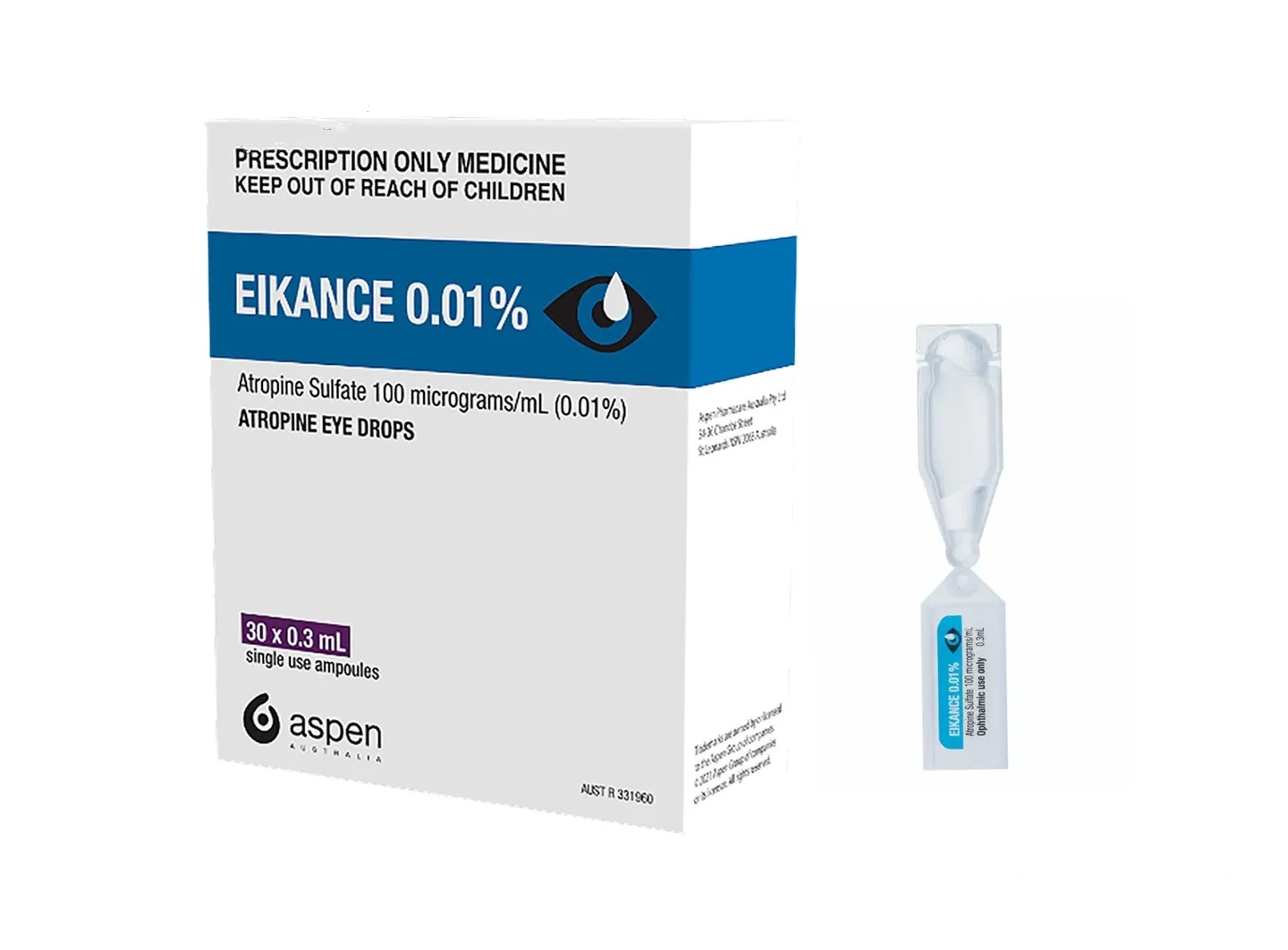
2. Precautions for long-term continuous useEIKANCE
Regular eye examination: Even if low-concentration atropine is used, it is recommended that patients receive an eye examination at least once every 3-6 months to observe the progression of myopia, pupil changes and intraocular pressure to ensure the safety of medication.
Observe drug side effects: Although 0.01% concentration atropine has fewer side effects, some patients may experience mild eye irritation, dryness, congestion and other symptoms. If you experience severe discomfort, you should promptly inform your doctor to adjust your medication.
Avoid light sensitivity damage: Atropine may cause mild pupil dilation, increasing sensitivity to bright light. During use, it is recommended to wear anti-UV sunglasses during outdoor activities to protect your eyes from strong light stimulation.
Follow the doctor's instructions: It is not recommended to stop taking the medicine or change the frequency of drops on your own. You should use it strictly in accordance with the doctor's instructions to ensure that the medicine is effective and has minimal side effects.
Storage conditions:EIKANCEShould avoid high temperature and direct sunlight. After opening the bottle, it should be stored according to the instructions to avoid contamination and keep the liquid sterile.
3.EIKANCEPotential risks and countermeasures of long-term use
Although0.01%atropine is relatively safe, there are certain risks associated with long-term use of any drug, including:
Drug resistance or weakened drug efficacy: Some patients may experience a decrease in efficacy after long-term use, and the effect of controlling myopia may weaken. At this time, the doctor may adjust the dosage or change the treatment plan.
Allergic reaction: A very small number of patients may be allergic to atropine or preservative ingredients, manifesting as eye redness, itching, tearing and other symptoms, and need to stop taking the drug immediately and seek medical treatment.
Effect on intraocular pressure: Atropine generally has little effect on intraocular pressure, but patients with glaucoma should use it with caution and monitor intraocular pressure if necessary.
To address the above risks, regular follow-up and scientific monitoring are key. Through regular inspections, timely detection of abnormalities and adjustment of treatment plans can maximize the safety of long-term medication.
0.01%Atropine Sulfate Eye DropsEIKANCEAs a low-concentration atropine preparation, it has been widely recognized as an effective drug to control the development of myopia in children and adolescents. Its low side effect profile makes long-term continuous use a possible and safe option. However, the prerequisite for safe use is to strictly follow medical advice, receive regular professional eye examinations, and monitor eye changes in a timely manner.
Patients and parents should understand that atropine eye drops are not a "panacea" and need to be combined with reasonable eye usage habits, environmental regulation and scientific management to prevent and control myopia. When any uncomfortable symptoms occur, you should contact your doctor as soon as possible to avoid adjusting or stopping the medication on your own.
In short, whether EIKANCE can be used safely and continuously for a long time, the answer is yes, but the premise is scientific and rational use of drugs and standardized management. Only in this way can the efficacy be maximized, side effects minimized, and the visual health of children and adolescents protected.
Reference materials:https://www.medsafe.govt.nz/profs/datasheet/e/EikanceEyeDrops.pdf
[ 免责声明 ] 本页面内容来自公开渠道(如FDA官网、Drugs官网、原研药厂官网等),仅供持有医疗专业资质的人员用于医学药学研究参考,不构成任何治疗建议或药品推荐。所涉药品可能未在中国大陆获批上市,不适用于中国境内销售和使用。如需治疗,请咨询正规医疗机构。本站不提供药品销售或代购服务。


