
.jpeg)
Which is more effective, linezolid or cephalosporin antibiotics?
In clinical anti-infective treatment, rational selection of antibiotics is the key to ensuring successful treatment. Linezolid (Linezolid) and cephalosporin antibiotics (Cephalosporins) are both commonly used clinical antibacterial drugs, but they have obvious differences in their mechanisms of action, antibacterial spectrum, indications and application groups. Many patients and medical workers often ask: Which of these two antibiotics is stronger and more effective? In fact, the answer is not absolutely "which one is better", but "which one is more suitable for a specific infection situation". This article will provide a comprehensive analysis from multiple dimensions to help understand the differences in their clinical applications.
1. Basic overview and mechanism differences of drugs
Linezolid is an oxazolidinone antibiotic that mainly inhibits the initial stage of bacterial protein synthesis to achieve antibacterial effects. It has a powerful effect on Gram-positive bacteria, especially drug-resistant bacteria, such as methicillin-resistant Staphylococcus aureus (MRSA), vancomycin-resistant enterococci (VRE), etc., so it is often used to treat complex pneumonia, sepsis and skin and soft tissue infections.
Cephalosporin antibiotics belong to the β- lactam class and play a bactericidal effect by inhibiting the synthesis of bacterial cell walls. Cephalosporins are divided into five generations, and different generations have different antibacterial spectrums. The further the generations are, the stronger their effect on Gram-negative bacteria and some drug-resistant bacteria. They are widely used in various scenarios such as respiratory tract infections, urinary tract infections, and surgical prophylaxis.
Conclusion: The mechanisms of action of the two are different. Linezolid is more focused on Gram-positive drug-resistant bacteria, while cephalosporins are more broad-spectrum bactericidal.
2. Differences in antibacterial spectrum and indications
1. Linezolid has a narrow antibacterial spectrum but has advantages against drug-resistant bacteria
Linezolid is mainly used to treat Gram-positive bacterial infections, especially multidrug-resistant bacteria, such as:
MRSA (methicillin-resistant Staphylococcus aureus)
VRE (vancomycin-resistant enterococci)
Streptococcus pneumoniae, etc.
Common indications include:
Nosocomial or community-acquired pneumonia
MRSASkin and soft tissue infections
drug-resistant sepsis
Complicated diabetic foot infections, etc.
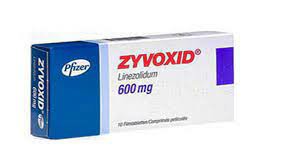
2. Cephalosporins have a broad antibacterial spectrum but have limited effect on drug-resistant bacteria
Cephalosporins are active against a variety of Gram-positive and Gram-negative bacteria. Different algebraic indications are as follows:
First generation such as cefazolin: used for skin infections and urinary tract infections
Second generation such as cefuroxime: used for bronchitis, otitis media, etc.
Third generation such as ceftriaxone and ceftazidime: used for meningitis, sepsis, etc.
The fourth generation such as cefepime: covers stronger drug-resistant negative bacteria
The fifth generation such as ceftaroline: has a certain effect onMRSA
Conclusion: Cephalosporins are "broad and comprehensive" and suitable for common bacterial infections; linezolid is "specialized and refined" and is a "life-saving straw" to deal with drug-resistant bacteria.
3. Comparison of efficacy: cannot be generalized
From the perspective of efficacy, we cannot directly say that linezolid is "more effective" than cephalosporins. It depends on the type of infection and the pathogenic bacteria.
For example:
If the infection is caused by S. pneumoniae or E. coli , a third-generation cephalosporin such as ceftriaxone may be effective enough, less expensive, and well tolerated;
If the patient is infected with MRSA or if multiple antibiotics have been used but are ineffective, linezolid may be the first or even the only effective option.
In addition, some studies have shown that linezolid is more effective than vancomycin in the treatment of drug-resistant gram-positive pneumonia, especially in terms of lung tissue penetration rate, making it more suitable for deep or refractory infections.
Conclusion: Cephalosporins are sufficient for the treatment of "common bacteria"; but once the infection involves drug-resistant bacteria, linezolid has obvious advantages.
4. Safety, side effects and price differences
Linezolid has many side effects and requires close monitoring
Myelosuppression: long-term use may cause thrombocytopenia, blood routine monitoring is required
Lactic acidosis: rare but serious
Peripheral neuropathy vs. optic neuropathy: often associated with long-term use
There are interactions with many drugs, especially when combined with SSRI antidepressants, which may cause 5-Serotonin syndrome
Cephalosporin antibiotics are relatively safe but may cause allergic reactions
Common side effects include allergic rash, diarrhea, nausea, etc.
Cross-allergy may occur in a small number of people (especially those allergic to penicillin)
Some cephalosporins (such as ceftazidime) require dosage adjustment when used in patients with renal insufficiency.
There is a significant difference in price
Most cephalosporin antibiotics have been included in medical insurance, and some generic drugs are low-priced, only tens to hundreds of yuan per course of treatment;
Linezolid is relatively expensive, especially the imported original drug. A bottle of injection or tablet may cost hundreds to thousands of yuan (reimbursement is available in some medical insurance areas).
Conclusion: Linezolid is "powerful but costly", while cephalosporins are "practical and economical".
5. Summary: Which one is more effective depends on the type of infection
To sum up, linezolid and cephalosporin antibiotics are not superior to each other, but each has its own merits and performs its own duties. Linezolid specializes in treating "persistent diseases" and is suitable for multi-drug-resistant gram-positive bacterial infections and is a "backup force" for antibacterial treatment; while cephalosporin antibiotics are "all-rounders" in routine infection treatment, suitable for most common infections, and are economical and practical.
In clinical use, doctors will comprehensively judge the medication plan based on the type of infection, pathogen culture results, patient's constitution and severity of illness. Therefore, patients should avoid judging the strength of antibiotics on their own, let alone use them without authorization, and should follow the doctor's advice to choose drugs rationally.
Reference materials:https://go.drugbank.com/drugs/DB00601
[ 免责声明 ] 本页面内容来自公开渠道(如FDA官网、Drugs官网、原研药厂官网等),仅供持有医疗专业资质的人员用于医学药学研究参考,不构成任何治疗建议或药品推荐。所涉药品可能未在中国大陆获批上市,不适用于中国境内销售和使用。如需治疗,请咨询正规医疗机构。本站不提供药品销售或代购服务。


