
.jpeg)
How long does it take for Ivosidenib treatment to be considered before the discontinuation transition period is considered?
Ivosidenib is a targeted drug targeting IDH1 mutations. It is mainly used to treat IDH1 mutant acute myeloid leukemia (AML) and cholangiocarcinoma. The duration of treatment is usually determined by the patient's condition, response to treatment, and tolerability. For patients with acute myeloid leukemia, ivonib is mostly used for induction of remission and maintenance treatment. Maintenance medication is generally continued after the disease reaches complete remission (CR) or hematological remission (CRh). The course of treatment may last for several months or even more than a year. Whether the drug can be discontinued depends on whether the condition is stable and the risk of recurrence is assessed.
In the treatment ofAML, discontinuation of ivonib is not based on the length of time, but on whether the patient achieves molecular remission. That is, residual disease associated with undetectable IDH1 mutations in the blood or bone marrow is a prerequisite for discontinuation. If molecular remission is not achieved, hasty discontinuation of treatment may lead to disease rebound or rapid progression. Therefore, even if the patient's external symptoms subside, doctors will only consider formulating a transitional drug withdrawal plan after confirming the efficacy through bone marrow biopsy, genetic testing and other means.
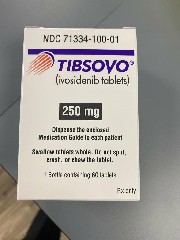
For patients with advanced or locally advanced cholangiocarcinoma, ivonib is often used as a second- or third-line treatment after disease progression. It usually takes weeks to months for the effects to appear, but whether the drug can be stopped depends on whether the lesions continue to stabilize or shrink. In the treatment of cholangiocarcinoma, medication is usually continued until the disease progresses or the patient cannot tolerate it. When some patients have no obvious disease progression after more than half a year of treatment and their condition is stable for a long time, doctors may carefully evaluate whether to enter the observation or dose reduction stage based on the imaging results.
If you really need to consider stopping the medication, you cannot interrupt the medication immediately, but you should make a gradual transition under the guidance of a doctor. For example, first reduce the dosage from once a day to every other day, and then gradually extend the interval to observe whether there are signs of recurrence. Blood tests, imaging examinations and molecular markers need to be closely monitored in the first few months after stopping the drug to ensure that the condition is stable. Once early signs of relapse occur, medication should be resumed immediately. Therefore, the discontinuation of ivonib must be strictly in accordance with the doctor's advice, and an individualized discontinuation transition plan must be developed to ensure safety and effectiveness.
Reference link:https://www.tibsovo.com/
[ 免责声明 ] 本页面内容来自公开渠道(如FDA官网、Drugs官网、原研药厂官网等),仅供持有医疗专业资质的人员用于医学药学研究参考,不构成任何治疗建议或药品推荐。所涉药品可能未在中国大陆获批上市,不适用于中国境内销售和使用。如需治疗,请咨询正规医疗机构。本站不提供药品销售或代购服务。


