
.jpeg)
Guanfacine’s complete package insert
Guanfacine is a selective α2A-adrenergic receptor agonist, which is widely used clinically to treat attention deficit hyperactivity disorder (ADHD). It is especially suitable for patients who are intolerant to stimulant drugs or have comorbid problems such as anxiety, irritability, and sleep disorders. By acting on the prefrontal cortex area of u200bu200bthe brain, it improves the inhibitory regulatory function of the neural network, thereby improving symptoms of inattention, impulsive behavior and hyperactivity. It also helps stabilize mood and improve common complications such as difficulty falling asleep.
1. Indications:
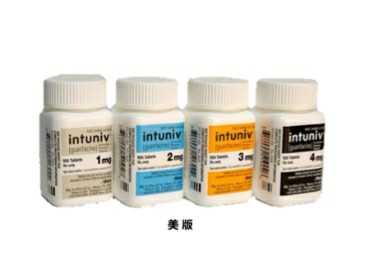
According to the general drug instructions, the indications for guanfacine include: monotherapy ADHD patients, or as a combined auxiliary drug with methylphenidate, dextroamphetamine and other central nervous system stimulants to enhance the efficacy or reduce the side effects of a single drug. Its extended-release preparations (such as Intuniv) are especially suitable for patients who need sustained drug effects and avoid fluctuations in blood concentration.
2. Regarding usage and dosage, the dosage regimen is divided according to age and weight in the instructions:
1. Usage and dosage for patients under 18 years old:
For children and adolescents weighing less than50 kg, the recommended starting dose is 1 mg per day, preferably at night, as the drug may cause drowsiness, dizziness and other sedative reactions. The dose should be adjusted gradually, with an interval of at least 7 days between each dose increase, and each increase should not exceed 1 mg. The maximum daily dose usually does not exceed 4 mg. For adolescents weighing more than or equal to 50 kg, the starting dose can be 2 mg per day, and the subsequent dosage increase strategy is the same. The maintenance dose is usually between 4 and 6 mg.
2. Usage and dosage for adult patients aged 18 years and above:
The recommended starting dose for adults is 2mg per day, and the recommended taking time is in the evening. If you need to increase the dose, the interval should be no less than 1 week, and add 1 mg each time until the daily maintenance dose of 4-6 mg is reached. The maximum dose is recommended not to exceed 6 mg per day. For long-term treatment, the efficacy and adverse reactions should be evaluated every 3 months to decide whether to continue to maintain or adjust the dose.
Guanfacine should be swallowed whole and should not be broken or chewed to avoid abnormal drug release. It is recommended to use it within a fixed period of time during medication to maintain stable blood concentration. When stopping the drug, the dose should be gradually reduced and should not be stopped suddenly to prevent rebound hypertension or mood swings.
3. Precautions and contraindications:
Guanfacine is not recommended to be used in combination with other antihypertensive drugs or sedatives because it may increase the risk of adverse reactions such as excessive sedation, hypotension, or syncope. Particular caution should be exercised in those with a history of bradycardia, hypotension, or those taking beta-blockers. Due to its pharmacological properties, common side effects may occur, including drowsiness, fatigue, dry mouth, dizziness, orthostatic hypotension, etc. Children may also experience delayed behavior, reduced attention, or slow reaction.
Caution is advised when using guanfacine during pregnancy or lactation. Although animal studies have not shown significant teratogenic effects, human data are limited. The decision whether to use it needs to be made after a doctor evaluates the pros and cons. In addition, since it is mainly metabolized by the liver, patients with liver dysfunction need to adjust the dose or closely monitor blood drug concentrations before taking the drug.
4. Drug management and prescription specifications:
Although guanfacine is mainly used to treat neurobehavioral diseases, its risk of abuse and addiction is extremely low, so it is usually administered as a regular prescription drug in Europe and the United States. However, it has not yet been widely marketed in China. Most of them are imported from overseas. If patients need to use them, they should obtain them through regular prescription channels and use them under the guidance of professional doctors.
Reference materials:https://go.drugbank.com/drugs/DB01018
[ 免责声明 ] 本页面内容来自公开渠道(如FDA官网、Drugs官网、原研药厂官网等),仅供持有医疗专业资质的人员用于医学药学研究参考,不构成任何治疗建议或药品推荐。所涉药品可能未在中国大陆获批上市,不适用于中国境内销售和使用。如需治疗,请咨询正规医疗机构。本站不提供药品销售或代购服务。


