
.jpeg)
Does Mobosetinib/Mobosetinib have any effect on liver function?
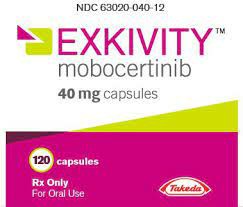
Mobocertinib is a new oral tyrosine kinase inhibitor that mainly targets EGFR Exon20-mutated non-small cell lung cancer (NSCLC). Its potential impact on liver function is one of the areas that must be paid special attention to in clinical medication. Unlike most small molecule oral anticancer drugs, mobosetinib is mainly metabolized by the liver, which means that the liver is burdened with absorption, conversion and clearance. During the research and development process before clinical launch, drug regulatory agencies will closely monitor liver-related adverse reactions, such as increased serum aminotransferase (ALT/AST), abnormal bilirubin, etc. Although the increase in ALT/AST in the vast majority of patients is mild to moderate and can return to the normal range after treatment is suspended or reduced, serious liver damage also occurs in a few cases, which requires timely discontinuation of the drug and liver-protective treatment.
Real-world data from overseas multiple centers also suggest that fluctuations in liver function are common in patients with mobosetinib, but are usually controllable and reversible. This requires clinical users to conduct a baseline liver function assessment before treatment, clarify ALT, AST, total bilirubin, albumin and other indicators, and evaluate the patient's basic liver reserve capacity; during the treatment process, regular retests are required every 4 to 6 weeks. Especially when symptoms such as edema, fatigue, nausea, loss of appetite, etc. occur, the possibility of liver function effects must be considered and reexamined immediately.
For patients with basic liver diseases (such as fatty liver, hepatitis B carriers or cirrhosis patients), the population should be carefully selected when using mobosertinib; if it is not unavoidable, it is recommended to optimize basic liver function before treatment, and use hepatoprotective and bile-protecting drugs to assist in the process, and even consider a gradual escalation strategy of the first dose or medium and high doses to reduce the risk of hepatotoxicity.
It was also mentioned in the global clinical review that according to the efficacy and safety evaluation, the impact of mobosetinib on liver function is within the acceptable range, but it is still necessary to avoid long-term use of ultra-high doses or combined use with other hepatotoxic drugs.
Reference materials:https://en.wikipedia.org/wiki/Mobocertinib
[ 免责声明 ] 本页面内容来自公开渠道(如FDA官网、Drugs官网、原研药厂官网等),仅供持有医疗专业资质的人员用于医学药学研究参考,不构成任何治疗建议或药品推荐。所涉药品可能未在中国大陆获批上市,不适用于中国境内销售和使用。如需治疗,请咨询正规医疗机构。本站不提供药品销售或代购服务。


