
.jpeg)
What types of cancer are the main indications for Erlotinib?
Erlotinib is an oral small molecule tyrosine kinase inhibitor, mainly targeting cancer patients with epidermal growth factor receptor (EGFR) mutations. It is mainly used clinically to treat non-small cell lung cancer (NSCLC), especially those patients with positive EGFR gene mutations. Erlotinib inhibits the proliferation and growth of cancer cells by blocking the EGFR signaling pathway, thereby delaying disease progression and improving patients' survival and quality of life.
In addition to non-small cell lung cancer, erlotinib is also approved to treat pancreatic cancer, often in combination with other chemotherapy drugs such as gemcitabine. Pancreatic cancer is a highly malignant cancer with poor prognosis. Erlotinib brings new treatment options to some patients through its mechanism of inhibiting tumor growth. Although overall efficacy in patients with pancreatic cancer is limited, the addition of erlotinib helps prolong survival.
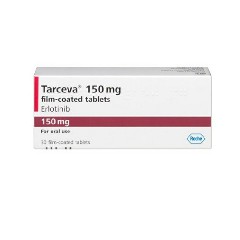
In addition, erlotinib has also been explored in some clinical studies for the treatment of other types of solid tumors, such as head and neck squamous cell carcinoma, but these applications are still in the research stage and have not been fully included in standard treatment. For this type of cancer, the specific efficacy and indications of erlotinib still need to be supported by more clinical data.
In short, erlotinib is mainly suitable for EGFR mutation-positive non-small cell lung cancer patients and some pancreatic cancer patients. Its targeting mechanism makes it an important drug for precision treatment, significantly improving the therapeutic effects of related cancer patients. Patients should undergo genetic testing and physician evaluation before use to ensure the rational use of the drug.
Reference:https://en.wikipedia.org/wiki/Erlotinib
[ 免责声明 ] 本页面内容来自公开渠道(如FDA官网、Drugs官网、原研药厂官网等),仅供持有医疗专业资质的人员用于医学药学研究参考,不构成任何治疗建议或药品推荐。所涉药品可能未在中国大陆获批上市,不适用于中国境内销售和使用。如需治疗,请咨询正规医疗机构。本站不提供药品销售或代购服务。


