
.jpeg)
Detailed explanation of the contents and instructions for use of Erlotinib
Erlotinib is a small molecule targeted anti-tumor drug that mainly blocks the growth and spread of tumor cells by inhibiting the activity of epidermal growth factor receptor (EGFR) tyrosine kinase. The drug is widely used in the treatment of non-small cell lung cancer (NSCLC) and pancreatic cancer, and is especially suitable for patients with EGFR mutation-positive patients. The following will provide patients with a comprehensive analysis of erlotinib’s usage and dosage, adverse reactions, precautions and other key information based on the official drug instructions and combined with actual clinical use.
1. Basic information about drugs
Drug name: Erlotinib tablets
English name:Erlotinib
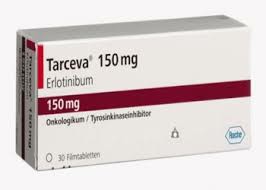
Trade name: Tarceva (Tarceva, original research name), Aretha (generic name)
Drug classification: Tyrosine kinase inhibitors (TKI)
Indications:
1.Treatment of locally advanced or metastatic non-small cell lung cancer (NSCLC), especially patients with EGFR gene mutations;
2. Used in combination with gemcitabine for the treatment of locally advanced or metastatic pancreatic cancer.
2. Usage and dosage
1.Recommended dosage:
Non-small cell lung cancer: once a day, 150mg once a day, orally;
Pancreatic cancer combined treatment: once a day, 100 mg each time, used in combination with gemcitabine.
2.Time and method of taking medicine:
It is recommended to take the medicine on an empty stomach, preferably at least1 hours before eating or 2 hours after eating;
The effect is more stable when taken at a fixed time every day;
Swallow the tablet whole with warm water. Do not chew or break it.
3.Dosage adjustment:
If adverse reactions such as severe rash, diarrhea or abnormal liver function occur, the dosage must be reduced to 100mg or 50mg according to the doctor's guidance, or even the medication should be suspended;
Dose adjustments may be required when coadministered withCYP3A4 inhibitors or inducers.
3. Adverse reactions and management suggestions
Erlotinib may cause a series of side effects during treatment, some of which are related to EGFR inhibition. They are common but most are controllable:
1.Skin reactions: The most common, such as acne-like rash, dryness, and itching, usually occur within 1-2 weeks of taking the drug, and can be relieved by moisturizing and topical anti-inflammatory drugs;
2.Diarrhea: Most are mild to moderate and can be relieved by taking loperamide;
3.Abnormal liver function: manifested as elevated transaminases, liver function needs to be monitored regularly;
4. Eye discomfort: such as conjunctivitis, dry eyes, etc. See an ophthalmologist if necessary;
5.Rare but serious pulmonary toxicity: such as interstitial lung disease (ILD). If persistent cough or dyspnea occurs, the drug should be stopped immediately and seek medical attention.
4. Drug interactions
Erlotinib is metabolized by the liverCYP3A4 enzyme and may interact with other drugs, affecting efficacy or toxicity:
Avoid co-administration with strongCYP3A4 inducers (such as rifampicin, phenytoin), otherwise the plasma concentration of erlotinib will be reduced;
Avoid co-administration with strong acid-suppressing drugs (such as omeprazole, ranitidine), which will reduce drug absorption. It is recommended to stagger the time or adjust the medication plan;
Tobacco use: Smoking can significantly reduce erlotinib plasma concentrations, and patients are advised to quit smoking during treatment.
5. Medication for Special Populations
Elderly people: No special dose adjustment is required, but adverse reactions need to be closely observed;
Patients with abnormal liver and kidney function: Mild to moderate liver function impairment can be used as usual, while patients with severe liver impairment should use it with caution;
Pregnant and lactating women: Disabled as it may cause harm to the fetus or infant;
Children and Adolescents: Safety and effectiveness have not been established and use is not recommended.
6. Efficacy evaluation and monitoring during medication
The EGFR mutation status should be confirmed before treatment to ensure efficacy;
During the period of medication, regular imaging examinations are required to evaluate tumor changes;
Regularly monitor liver function, electrolytes, and complete blood count;
Pay attention to observe the early signs of adverse reactions and deal with them in time.
7. Precautions for discontinuation and relapse
If the disease progresses or unacceptable toxic reactions occur, discontinuation of the drug should be considered;
Some patients may experience rapid tumor progression after stopping the drug, so discontinuation of the drug should be done with caution and transition to other treatment options if necessary;
If you plan to use the drug again after stopping the drug, resistance to TKI should be evaluated.
8. Patient recommendations and daily precautions
Insist on taking medicine on time and do not stop taking medicine at will or skip taking medicine;
Pay attention to sun protection during treatment to avoid aggravation of skin reactions caused by excessive sun exposure;
Eat a reasonable diet, replenish water, and relieve common gastrointestinal reactions;
If you have any discomfort, please communicate with the attending doctor promptly and do not adjust the dosage yourself.
Erlotinib, as a first-line targeted therapy, plays an important role in patients with certain types of non-small cell lung cancer and pancreatic cancer. Correctly grasping the content of drug instructions and understanding its usage and dosage, potential side effects and monitoring points will help patients complete the treatment process more safely and effectively. During the medication period, it is necessary to strictly follow the doctor's advice, conduct regular reviews, and manage side effects on an individualized basis in order to obtain the best treatment effect and prolong survival.
Reference:https://en.wikipedia.org/wiki/Erlotinib
[ 免责声明 ] 本页面内容来自公开渠道(如FDA官网、Drugs官网、原研药厂官网等),仅供持有医疗专业资质的人员用于医学药学研究参考,不构成任何治疗建议或药品推荐。所涉药品可能未在中国大陆获批上市,不适用于中国境内销售和使用。如需治疗,请咨询正规医疗机构。本站不提供药品销售或代购服务。


