
.jpeg)
Bevacizumab Instructions Download: Usage and Dosage Guide
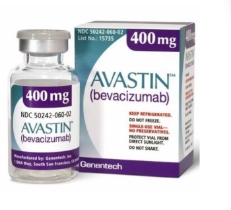
Bevacizumab (Bevacizumab), trade name is Avastin, is a humanized IgG1 monoclonal antibody that mainly targets vascular endothelial growth factor A (VEGF-A) and effectively inhibits the formation of new blood vessels by blocking the binding of this factor to its receptor. In clinical applications, bevacizumab, as an anti-angiogenesis targeted drug, has been widely used in the treatment of a variety of solid tumors, especially in combination chemotherapy strategies for advanced cancers, playing an important synergistic anti-tumor effect.
1. Basic information about drugs
Generic name of the drug: Bevacizumab (Bevacizumab)
Trade name: Avastin (Avastin)
English name:Bevacizumab Injection
Drug type: antiVEGF-A monoclonal antibody
Administration route: intravenous infusion (IV infusion)
Dosage form: injection, requires hospital operating environment for infusion and administration
2. Overview of indications (officially registered indications)
Bevacizumab is widely used in the treatment of a variety of solid tumors. The specific indications are as follows:
1. Metastatic colorectal cancer (mCRC)
In combination with fluorouracil (5-FU)-based chemotherapy regimens as first- or second-line treatment. It is especially suitable for classic combination therapies such as irinotecan (IFL regimen) or oxaliplatin (FOLFOX regimen).
Limitations: Not suitable for postoperative adjuvant treatment of colon cancer.
2. Non-squamous non-small cell lung cancer (NSCLC)
Used in combination with carboplatin and paclitaxel, it is suitable for patients with unresectable, locally advanced, recurrent or metastatic non-squamous cell carcinoma. This indication emphasizes the synergistic effect of targeted therapies combined with cytotoxic drugs in the treatment of lung cancer.
3. Recurrent glioblastoma (GBM)
It can be used alone and has good anti-edema and inhibitory effects on angiogenesis in highly vascularized brain tumors, helping to improve intracranial pressure symptoms and tumor growth rate.
4. Metastatic renal cell carcinoma (mRCC)
Used in combination with interferonα (IFN-α), it has the potential to delay disease progression and is suitable for patients who have failed targeted therapy or cannot tolerate TKI therapy.
5. Persistent, recurrent or metastatic cervical cancer
It can be used in combination with paclitaxel, cisplatin or topotecan to improve overall survival. It is one of the important options for the treatment of drug-resistant or metastatic cervical cancer.
6. Ovarian cancer, fallopian tube cancer, primary peritoneal cancer
Applicable to initial treatmentAfter stage III/IV combined treatment, single drug use should be maintained.
It is suitable for patients with platinum-resistant relapse, combined with paclitaxel, liposomal doxorubicin or topotecan.
For platinum-sensitive recurrence, combined with carboplatin + paclitaxel or carboplatin + gemcitabine for subsequent maintenance use.
7. Hepatocellular carcinoma (HCC)
In combination with atezolizumab, it is suitable for patients with unresectable or metastatic liver cancer who have not received systemic therapy.
3. Detailed explanation of usage and dosage (divided into disease categories)
The recommended dosage and dosage period of bevacizumab vary depending on the indications. The following are the specific usage and dosage recommendations in the instructions:
1. Metastatic colorectal cancer
Combinedbolus-IFL regimen: 5 mg/kg, once every 2 weeks; combined FOLFOX regimen: 10 mg/kg, once every 2 weeks; second-line treatment: 5 mg/kg (every 2 weeks) or 7.5 mg/kg (every 3 weeks).
2. Non-small cell lung cancer
Combined carboplatin + paclitaxel regimen: 15 mg/kg, once every 3 weeks; note that it is only applicable to patients with non-squamous cell carcinoma, and high-risk complications such as hemoptysis need to be avoided.
3. Recurrent glioblastoma
Monotherapy:10 mg/kg, once every 2 weeks; special attention should be paid to the obvious relief of cerebral edema, but neurological function and imaging changes need to be regularly evaluated.
4. Metastatic renal cell carcinoma
Combined interferonα: 10 mg/kg, once every 2 weeks; can be used as an alternative strategy after resistance to multi-target tyrosine kinase inhibitors.
5. Cervical cancer
Combined with paclitaxel + cisplatin or topotecan: 15 mg/kg, once every 3 weeks; the treatment plan is suitable for recurrent, persistent or metastatic disease to improve PFS and OS performance.
6. Ovarian cancer and related cancers
Initial treatmentPhase III/IV: combined with carboplatin + paclitaxel, 15 mg/kg, once every 3 weeks, for 6 cycles; subsequent maintenance treatment is 15 mg/kg every 3 weeks, with a total course of treatment of up to 22 cycles.
Platinum resistance relapse: combined with paclitaxel, liposomal doxorubicin or topotecan, 10 mg/kg every 2 weeks; if a three-week topotecan regimen is used, 15 mg/kg every 3 weeks.
Platinum-sensitive relapse: Combined with carboplatin + paclitaxel or gemcitabine, 15 mg/kg, once every 3 weeks, and maintain single drug 15 mg/kg every 3 weeks after 6-10 cycles.
7. Hepatocellular carcinoma
With atezolizumab (1200mg) combined with 15 mg/kg every 3 weeks; this combination strategy has become one of the recommended first-line treatments for advanced liver cancer.
4. Medication Precautions and Medication Discontinuation Guidelines
Preoperative and postoperative management: Medication should be stopped for at least 28 days before major surgery. Medication should be used again after ensuring that the incision is completely healed to prevent wound healing from being hindered.
Infusion method and duration: The first dose should be intravenously infused for no less than 90 minutes. If tolerated well, it can be gradually shortened to 60 minutes or 30 minutes. No bolus injection or rapid infusion is allowed.
Adverse reaction warning: high blood pressure, proteinuria, risk of bleeding (especially pulmonary hemorrhage), thrombosis; risk of gastrointestinal perforation; delayed wound healing; monitoring of abnormal renal function; blood pressure, urine routine and imaging review must be monitored regularly.
Reference materials:https://www.drugs.com/bevacizumab.html
[ 免责声明 ] 本页面内容来自公开渠道(如FDA官网、Drugs官网、原研药厂官网等),仅供持有医疗专业资质的人员用于医学药学研究参考,不构成任何治疗建议或药品推荐。所涉药品可能未在中国大陆获批上市,不适用于中国境内销售和使用。如需治疗,请咨询正规医疗机构。本站不提供药品销售或代购服务。


