
.jpeg)
Is bevacizumab a chemotherapy drug or a targeted drug? Classification analysis
Bevacizumab (Bevacizumab) is a representative targeted therapy drug, not a chemotherapy drug in the traditional sense. Its core mechanism of action is essentially different from that of cytotoxic chemotherapy drugs. Therefore, it is clearly classified as an "anti-angiogenesis targeted drug" in drug classification. It is also one of the important molecular targeted drugs currently widely used in the clinical treatment of various solid tumors. The target of bevacizumab is vascular endothelial growth factor A (VEGF-A). It binds to it with high affinity and blocks its binding to the VEGFR receptor, thereby inhibiting the formation of new blood vessels in tumors, cutting off the supply of nutrients and oxygen required for tumor growth, and indirectly leading to tumor cell apoptosis and lesion shrinkage.
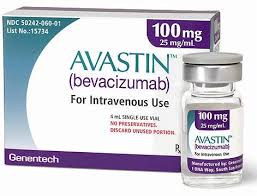
Unlike traditional chemotherapy drugs, bevacizumab does not directly kill tumor cells. Its effect is more towards "starving" tumors rather than "poisoning" them. Chemotherapy drugs such as cisplatin and paclitaxel are broad-spectrum cytotoxic drugs that often exert inhibitory effects on rapidly dividing cells regardless of good or evil. Therefore, they have significant side effects, especially bone marrow suppression, hair loss, and mucosal damage. Bevacizumab, on the other hand, precisely acts on the angiogenesis signaling pathway in the tumor microenvironment. Its side effects are relatively different, mainly including hypertension, bleeding risk, delayed wound healing, etc., and it is more clinically controllable. Therefore, in tumor treatment strategies, bevacizumab is often used in combination with chemotherapy drugs to enhance anti-tumor activity and improve the local penetration and efficacy of chemotherapy drugs.
In terms of indications, bevacizumab has been approved by the FDA and other regulatory agencies for the treatment of various types of advanced solid tumors, including non-small cell lung cancer, colorectal cancer, kidney cancer, liver cancer, etc. These indications are often based on the high expression levels of VEGF in tumor tissues. The use of bevacizumab can significantly inhibit angiogenesis and slow down disease progression. Especially in cancer types where tumor markers lack specificity, bevacizumab provides a targeted treatment path with clear molecular mechanisms and precise efficacy.
Reference materials:https://www.drugs.com/bevacizumab.html
[ 免责声明 ] 本页面内容来自公开渠道(如FDA官网、Drugs官网、原研药厂官网等),仅供持有医疗专业资质的人员用于医学药学研究参考,不构成任何治疗建议或药品推荐。所涉药品可能未在中国大陆获批上市,不适用于中国境内销售和使用。如需治疗,请咨询正规医疗机构。本站不提供药品销售或代购服务。


