
.jpeg)
Common side effects and treatment methods after taking regorafenib
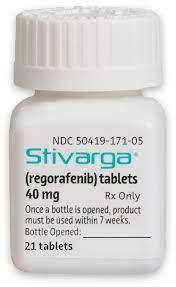
Regorafenib is an oral multi-target tyrosine kinase inhibitor. Its mechanism of action covers many aspects such as tumor cell proliferation, angiogenesis and tumor microenvironment. Therefore, it has significant efficacy, but it is also accompanied by a certain degree of side effects. One of the most common adverse reactions is hand-foot syndrome (PPES), which manifests as erythema, blisters, peeling and even pain on the palms or soles of the feet, usually early in treatment. In order to prevent and relieve hand and foot reactions, patients should avoid friction, soak their feet in hot water, and use high-efficiency moisturizing creams and cuticle softeners. In severe cases, it is necessary to consider temporarily discontinuing the medication or reducing the dosage of treatment.
Another common side effect is hypertension, which is due to the inhibitory effect of regorafenib on angiogenesis. Therefore, patients are advised to control their basal blood pressure before starting treatment and monitor it weekly during treatment. Antihypertensive drugs can be used to intervene if blood pressure rises. Gastrointestinal discomfort is also a common problem, including diarrhea, nausea, and vomiting. Mild diarrhea can be treated with fluid rehydration, electrolyte adjustment, and oral antidiarrheal drugs, while severe cases may require suspension of medication and intravenous fluid rehydration.
In addition, fatigue is one of the common systemic reactions reported by patients, which often affects the quality of life. Patients should pay attention to rest, arrange the rhythm of activities appropriately, and avoid taking other drugs that may induce fatigue at the same time. Abnormal liver function is also a focus of attention during regorafenib treatment, including elevated transaminase, elevated bilirubin, etc. Baseline liver function should be assessed before treatment, and liver enzymes should be reviewed every two weeks during treatment. If abnormal indicators are found, intervention can be performed through dose reduction, intermittent medication, or liver protection therapy.
Rashes and oral mucosal ulcers, although minor, are cause for concern and can be relieved with topical steroid ointments or oral rinses. Rare but serious adverse events also include bleeding, cardiac events, or intestinal perforation, so if you experience chest pain, black stools, or other unusual symptoms while taking the drug, you should seek medical attention immediately. The key to properly dealing with the side effects of regorafenib lies in early identification, graded treatment and close communication with doctors. Some patients can achieve a better balance between tolerance and efficacy through individualized dose adjustment, thereby maintaining the continuity and effect of long-term treatment.
Reference materials:https://www.stivarga-us.com/
[ 免责声明 ] 本页面内容来自公开渠道(如FDA官网、Drugs官网、原研药厂官网等),仅供持有医疗专业资质的人员用于医学药学研究参考,不构成任何治疗建议或药品推荐。所涉药品可能未在中国大陆获批上市,不适用于中国境内销售和使用。如需治疗,请咨询正规医疗机构。本站不提供药品销售或代购服务。


