
.jpeg)
What examinations are required during regorafenib treatment?
Regorafenib is a multi-target tyrosine kinase inhibitor mainly used to treat solid tumors such as metastatic colorectal cancer, gastrointestinal stromal tumors (GIST) and hepatocellular carcinoma. Since this drug has a broad-spectrum effect in inhibiting tumor proliferation and angiogenesis, and may also have adverse reactions on multiple organs, multiple medical examinations need to be performed regularly during treatment to ensure safety and optimize treatment effects.
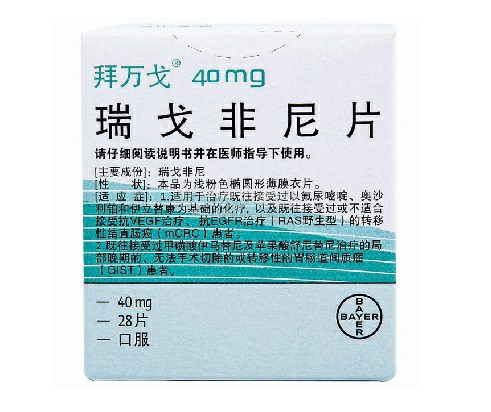
First of all, liver function test is one of the important items in regorafenib treatment. Because this drug is metabolized by the liver and may cause an increase in ALT and AST, or even induce liver function damage, liver enzyme indicators need to be monitored regularly during the initial period of medication and during treatment, especially every two weeks within the first 2 months of treatment. In addition, renal function tests should not be ignored, including creatinine levels and urine tests, to evaluate the effects of drugs on the kidneys, especially when other potentially nephrotoxic drugs are used concomitantly. Routine blood tests are also essential, especially white blood cell, platelet, and red blood cell counts, as regorafenib may cause bone marrow suppression, leading to anemia, neutropenia, or an increased risk of bleeding.
Electrocardiogram and blood pressure monitoring are equally important. Since regorafenib may induce cardiovascular problems such as hypertension or QT interval prolongation, regular blood pressure assessment and electrocardiogram examination can help detect potential risks in time. At the same time, attention should also be paid to thyroid function. Some patients may have abnormal thyroid hormone levels, affecting metabolism and overall drug resistance.
Imaging evaluation is used to observe the efficacy of drugs, usually includingCT, MRI or PET-CT, which are performed periodically to determine whether the tumor has shrunk or stabilized. In short, examination items during regorafenib treatment need to be flexibly formulated based on individual differences and clinical manifestations. Comprehensive monitoring can help identify risks in advance, adjust dosage, and ensure treatment continuity and efficacy.
Reference materials:https://www.stivarga-us.com/
[ 免责声明 ] 本页面内容来自公开渠道(如FDA官网、Drugs官网、原研药厂官网等),仅供持有医疗专业资质的人员用于医学药学研究参考,不构成任何治疗建议或药品推荐。所涉药品可能未在中国大陆获批上市,不适用于中国境内销售和使用。如需治疗,请咨询正规医疗机构。本站不提供药品销售或代购服务。


