
.jpeg)
The latest clinical research progress of pimetibi
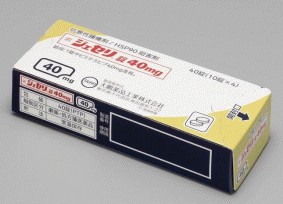
As an innovative HSP90 inhibitor, Pimitespib continues to gain international attention in targeted therapy research in solid tumors such as gastrointestinal stromal tumors (GIST). The drug was developed by Japan's Taiho Pharmaceutical and is one of the few oral HSP90 inhibitors that has entered the clinical application stage. Its mechanism of action is based on highly selective inhibition of Heat Shock Protein 90 (HSP90), interfering with the stability of a series of oncogene proteins, thereby inducing apoptosis of cancer cells. In gastrointestinal stromal tumors, a class of tumors that often have driver mutations (such as KIT or PDGFRA), the mechanism of action of pimetibi is complementary to traditional tyrosine kinase inhibitors (TKIs), and is especially suitable for patients who have failed previous multiple lines of TKI therapy.
In 2025, the latest clinical research on pimetibi in gastrointestinal stromal tumors focuses on the evaluation of its efficacy and tolerability as a third-line and above treatment. The Phase III clinical study (CHAPTER-GIST-301) has completed patient follow-up in Japan and will publish long-term data at the end of 2024. The study subjects were patients with recurrent or metastatic GIST who had failed treatment with imatinib, sunitinib, and regorafenib. The latest results show that pimetibi significantly prolonged progression-free survival (PFS), and disease control time exceeding 6 months was observed in some patients. Although its objective response rate (ORR) is low, the clinical disease control rate (DCR) is close to 60%, showing good ability to stabilize the disease. Importantly, compared with previous HSP90 inhibitors, pimetibib exhibits superior oral tolerability and toxicity control capabilities.
In terms of side effect management,Real-world studies in 2025 further verified the safety of pimitebi in long-term medication. The most common adverse events were gastrointestinal reactions (eg, nausea, decreased appetite, diarrhea) and mild liver enzyme elevations, but most could be alleviated by dose adjustment or symptomatic treatment. The new management guidelines also recommend an intermittent dose escalation strategy during the initial period of first use to improve patient adaptability and tolerance to the drug.
In addition toGIST treatment, pimetibi is also exploring its application in other solid tumors in 2025. For example, for HSP90-dependent tumors such as hepatocellular carcinoma, biliary tract cancer, non-small cell lung cancer (NSCLC), and ovarian cancer, pimetibi is undergoing phase I/II exploratory studies in combination with immune checkpoint inhibitors (such as nivolumab) and other targeted drugs. Especially in the context of immunotherapy resistance, HSP90 inhibitors provide new ideas for improving the response rate of immunotherapy by affecting the immune microenvironment and enhancing the ability to present antigens. Preliminary data show that in some patients with biliary system tumors, the combination treatment regimen with pimetibi produced unexpected disease response rates, and further sample expansion and long-term survival evaluation are being promoted.
In general, the clinical research progress of pimotebi in2025 reflects its broad potential in the treatment of refractory tumors. Especially in the context of complex drug resistance mechanisms and limited treatment methods, HSP90 provides a new breakthrough as a multi-target inhibitory pathway.
Reference materials:https://en.wikipedia.org/wiki/Pimitespib
[ 免责声明 ] 本页面内容来自公开渠道(如FDA官网、Drugs官网、原研药厂官网等),仅供持有医疗专业资质的人员用于医学药学研究参考,不构成任何治疗建议或药品推荐。所涉药品可能未在中国大陆获批上市,不适用于中国境内销售和使用。如需治疗,请咨询正规医疗机构。本站不提供药品销售或代购服务。


