
.jpeg)
Analysis of the role, efficacy and therapeutic effect of durvalumab (durvalumab)
Durvalumab (Durvalumab) is an immune checkpoint inhibitor that is an anti-PD-L1 (programmed death ligand-1) monoclonal antibody drug. It blocks the binding of PD-L1 on the surface of tumor cells to PD-1 receptors on immune cells, thereby removing the tumor's suppression of the immune system, thus restoring and enhancing the body's own immune response, prompting the immune system to recognize and attack tumor cells. Durvalumab is one of the important breakthrough drugs in the field of immuno-oncology in recent years and is widely used in the treatment of a variety of advanced solid tumors.
The main indications for durvalumab include non-small cell lung cancer (NSCLC), urothelial cancer (bladder cancer, etc.), head and neck squamous cell carcinoma, small cell lung cancer and other cancers. Particularly in non-small cell lung cancer, durvalumab is approved as maintenance therapy in patients who have not progressed on prior platinum-containing chemotherapy. This treatment regimen significantly prolonged the patient's progression-free survival (PFS) and overall survival (OS), and improved the patient's quality of life. Clinical trial data show that patients treated with durvalumab, especially in the subgroup with higher PD-L1 expression levels, have more significant therapeutic effects.
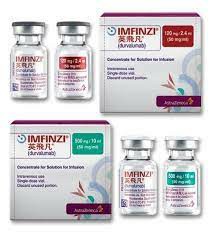
In the field of urothelial cancer, durvalumab also shows good efficacy. For patients with advanced or metastatic urothelial cancer who cannot tolerate platinum-containing chemotherapy, durvalumab has been used as a first-line immunotherapy drug and has achieved encouraging objective response rates and durable anti-tumor responses. In addition, durvalumab is approved for adjuvant therapy to help reduce the risk of tumor recurrence after surgery. These therapeutic effects are achieved thanks to its unique immune regulatory mechanism, which provides patients with new treatment options, especially when traditional therapies are limited or resistant.
In terms of therapeutic effect, durvalumab has shown good tolerability and safety in clinical trials. Common adverse reactions include fatigue, rash, gastrointestinal reactions, etc., most of which are mild to moderate and can be controlled through symptomatic treatment or adjustment of treatment plans. Although immune-related adverse events exist, their incidence is low and most patients recover. Overall, durvalumab not only prolongs the survival of patients, but also improves the quality of life and promotes the development of tumor immunotherapy. It is an important member of various current tumor immunotherapy programs. With the deepening of more clinical studies, the application prospects of durvalumab in more tumor types and treatment stages are becoming increasingly broad.
Reference materials:https://www.imfinzi.com/
[ 免责声明 ] 本页面内容来自公开渠道(如FDA官网、Drugs官网、原研药厂官网等),仅供持有医疗专业资质的人员用于医学药学研究参考,不构成任何治疗建议或药品推荐。所涉药品可能未在中国大陆获批上市,不适用于中国境内销售和使用。如需治疗,请咨询正规医疗机构。本站不提供药品销售或代购服务。


