
.jpeg)
Detailed instructions and precautions for taking Riboxil
Ribociclib (Ribociclib), trade name Kisqali, is an oral selective CDK4/6 inhibitor, mainly used to treat hormone receptor positive (HR+), human epidermal growth factor receptor< For patients with /span>2 negative (HER2-) advanced or metastatic breast cancer, especially when combined with aromatase inhibitors or fulvestrant (fulvestrant), it can significantly prolong progression-free survival and is one of the important options for current targeted therapy of breast cancer.
1. Drug composition and dosage form
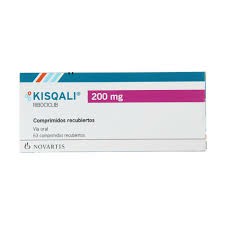
The commonly used dosage form of Riboxiclib is tablets, which are mainly divided into 200mg according to specifications. Common packaging per box is 21 tablets, 42 tablets or 63 tablets. Each tablet contains 200 mg of the active ingredient Riboxil, and excipients include microcrystalline cellulose, lactose, hydroxypropyl cellulose, etc. Medicines should be stored in a cool, dry place away from direct sunlight, usually at room temperature (15-30°C).
2. Indications, usage and dosage
Ribociclib is suitable for the following people:
HR+/HER2- postmenopausal women, as initial endocrine therapy, combined with aromatase inhibitors;
Patients with advanced or metastatic breast cancer who are resistant to previous endocrine therapyHR+/HER2- can be combined with fulvestrant.
The recommended starting dose is600mg/day, that is, once a day, taken orally each time3tablets (200mg*3), taken continuously for 21 days and then stopped for 7 days, forming a 28 day treatment cycle. The medicine can be taken with food or on an empty stomach. If adverse reactions (such as neutropenia) occur, the doctor may adjust the dose to 400mg or 200mg/ days, or even suspend or stop medication.
3. Clinical efficacy and mechanism of action
Riboxiclib blocks cyclin-dependent kinasesCDK4 and CDK6 by selectively inhibiting
4. Adverse reactions and monitoring recommendations
The more common adverse reactions of Riboxil include:
Blood system: neutropenia, leukopenia, anemia;
Abnormal liver function: elevated transaminases (AST, ALT);
ECG changes:QTInterval prolongation;
Gastrointestinal reactions: nausea, vomiting, decreased appetite;
Fatigue, headache, rash, etc.
Therefore, it is recommended to regularly monitor complete blood count, liver function and electrocardiogram (especially the QT interval) during medication. If the QT interval is prolonged beyond 500ms, treatment needs to be suspended or terminated.
5. Medication contraindications and precautions
1.Taboo groups:
Known allergy to reboxil or its ingredients;
Those with congenitalQT prolonged syndrome;
Concomitant use should be avoided when using strong inhibitors of CYP3A4 (such as ketoconazole) that have serious interactions with reboxil.
2. Medication for special groups:
Hepatic insufficiency: Patients with moderate or severe hepatic dysfunction should use reduced dosage;
Renal insufficiency: mild effects are minor, severe renal impairment requires careful evaluation before use;
Pregnant and lactating women: Riboxiclib is potentially toxic to the fetus and is contraindicated during pregnancy. Effective contraceptive measures should be taken during use. It is also recommended to stop breastfeeding during lactation.
3.Drug interactions:
Reboxiclib is mainly metabolized by CYP3A4 and it is necessary to avoid coadministration with strong CYP3A4 inhibitors (such as clarithromycin) or inducers (such as rifampicin). At the same time, if you use drugs with the potential risk of prolonging QT (such as multiple antibiotics and antifungal drugs), you need to be alert to abnormal electrocardiograms.
6. Medication precautions for patients
Take the medicine at a fixed time. It is recommended to take the entire dose at one time every morning;
If you miss the dose of the day and it is more than 12 hours before the next dose, you can take it immediately; otherwise, skip the dose and do not take it twice;
Avoid drinking large amounts of grapefruit juice during treatment to prevent it from affecting drug metabolism;
Avoid reducing the dosage or discontinuing the medication on your own, and follow your doctor’s instructions for regular follow-up visits to evaluate efficacy and tolerance;
If serious symptoms such as fever, rash, jaundice, and heart palpitations occur, you should inform your doctor in time.
Reboxiclib, as an importantCDK4/6 inhibitor, has shown good efficacy and safety in combined endocrine therapy for breast cancer. However, during its use, it is necessary to pay close attention to blood indicators, liver function and ECG changes, and adjust the dosage according to individual differences. Patients taking medications regularly and monitoring on time under the guidance of doctors will help improve treatment effects and reduce the risk of adverse reactions, which is the key to achieving precise treatment and long-term disease control.
Reference materials:https://us.kisqali.com/
[ 免责声明 ] 本页面内容来自公开渠道(如FDA官网、Drugs官网、原研药厂官网等),仅供持有医疗专业资质的人员用于医学药学研究参考,不构成任何治疗建议或药品推荐。所涉药品可能未在中国大陆获批上市,不适用于中国境内销售和使用。如需治疗,请咨询正规医疗机构。本站不提供药品销售或代购服务。


