
.jpeg)
Effects and cases of using Tofacitinib tablets in the treatment of vitiligo
Tofacitinib is an oral JAK inhibitor originally approved to treat immune-related diseases such as rheumatoid arthritis, psoriatic arthritis and ulcerative colitis. In recent years, with the in-depth research on the pathogenesis of vitiligo (commonly known as vitiligo), the JAK-STAT signaling pathway is considered to play an important role in its immunopathology. JAK inhibitors such as tofacitinib have gradually been explored for the treatment of vitiligo, especially patients with vitiligo vulgaris, and have shown certain efficacy in some clinical studies and cases.
Vitiligo is a common acquired depigmentation skin disease. Its pathogenesis is related to immune disorders and autoimmune attacks on melanocytes. Studies have shown that after CD8+ T cells in patients with vitiligo release interferon -γ (IFN-γ), they induce the expression of related chemokines, thereby recruiting more immune cells to attack melanocytes. The JAK signaling pathway is an important way to transmit this immune signal. Therefore, inhibiting JAK can effectively interfere with the IFN-γ-mediated immune response, providing a theoretical basis for controlling the progression of vitiligo and promoting pigment regeneration.
There are currently some preliminary studies and case reports on the clinical application of tofacitinib in the treatment of vitiligo. In a small foreign open-label study, about 50% of patients were treated with continuous oral tofacitinib from 3 to
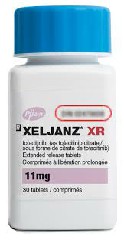
In China, there are also individual reports or doctors’ experience that some patients with vitiligo received positive feedback after trying tofacitinib treatment. For example, one 35Because the white spots on her face continued to expand and had poor response to traditional hormone drugs, a 20-year-old female patient was treated with tofacitinib tablets under the guidance of a doctor at a daily dose of 5 mg. After three months of combined phototherapy, pigment islands began to appear at the edge of the white spots. After six months of treatment, the white spots on her face were significantly reduced. However, it should also be pointed out that not all patients can obtain the same curative effect. Factors such as individual differences, disease duration, lesion location, and whether combined with phototherapy will affect the treatment effect.
Despite encouraging preliminary efficacy, tofacitinib has not been officially approved for the treatment of vitiligo, and its use in the treatment of vitiligo is still considered an "off-label" drug. In addition, tofacitinib may cause a series of side effects, including increased risk of infection, abnormal liver function, increased blood lipids, etc. Especially during long-term use, the elderly and those with low immune function need to be extra cautious. Therefore, if a patient or family member considers trying this type of treatment, it must be done under the guidance of a professional dermatologist or rheumatologist to assess the potential risks and benefits and perform relevant monitoring.
To sum up, tofacitinib, as a JAK inhibitor, has shown certain therapeutic potential in some patients with vitiligo, especially in the regeneration of white spot pigment in exposed areas such as the face and neck. Although there is still a lack of large-scale clinical trials to verify its long-term safety and effectiveness, it provides a new direction for vitiligo, a stubborn skin disease. In the future, we expect more high-quality clinical studies to provide a more solid evidence base for its application and promote its standardized application in the field of dermatology.
Reference materials:https://www.xeljanz.com/
[ 免责声明 ] 本页面内容来自公开渠道(如FDA官网、Drugs官网、原研药厂官网等),仅供持有医疗专业资质的人员用于医学药学研究参考,不构成任何治疗建议或药品推荐。所涉药品可能未在中国大陆获批上市,不适用于中国境内销售和使用。如需治疗,请咨询正规医疗机构。本站不提供药品销售或代购服务。


