
.jpeg)
Summary analysis of the latest clinical trial results of Vorasidenib
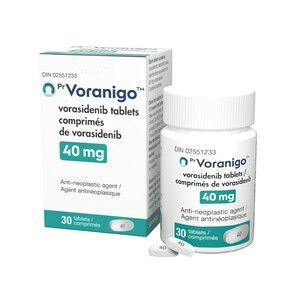
Vorasidenib (trade name Voranigo) is an oral, targeted mutant isocitrate dehydrogenase1/2 (mI Dual inhibitors of DH1/2 are mainly used to treat patients with grade IDH mutant glioma. Its clinical development has made significant progress, especially in the Phase III INDIGO clinical trial announced in 2023. Voroxiranib showed positive efficacy in delaying disease progression and improving patient prognosis.
Summary of clinical trial results
The INDIGO trial is a global multi-center, randomized, double-blind, placebo-controlled Phase III registration clinical study designed to evaluate the efficacy and safety of voroxiranib in patients with grade 2IDH mutant glioma. The study included a total of 331 patients, who were randomly assigned to the voroxanib group (168 patients) and the placebo group (163 patients). All patients received treatment after surgery. The primary endpoint of the study is progression-free survival (PFS), and secondary endpoints include time to next treatment.
Results of the study showed that the median PFS in the voroxiranib group was 27.7 months, while that in the placebo group was 11.1 months. The difference was statistically significant. In addition, the median time to next treatment in the vorsidenib group has not yet been reached, compared with 17.4 months in the placebo group, further supporting the advantage of vorsidenib in delaying disease progression.
Security analysis
The safety analysis of vorsidenib shows that its adverse reactions are generally controllable and consistent with the results of previous I phase clinical trials. The most common grade ≥3 adverse events include:
Alanine aminotransferase (ALT) increased: 9.6%
Aspartate aminotransferase (AST) increased: 4.2%
Seizures:4.2%
Other common adverse reactions include fatigue, headache, nausea, vomiting, diarrhea, etc. Most of them are mild to moderate and can be relieved after symptomatic treatment. In addition, the pharmacokinetic properties of vorsidenib show that it has good brain-blood barrier penetration ability and is suitable for the treatment of brain tumors.
Clinical significance and prospects
The results of the Voxirinib study represent 20 years of important progress in the treatment of low-grade IDH mutant gliomas. By targeting IDH mutations, the drug inhibits the metabolic reprogramming of tumor cells, delays disease progression, and reduces dependence on traditional radiotherapy and chemotherapy, thereby prolonging patients' survival and improving their quality of life.
Currently, Voxanib has received fast track certification from the USFDA and is expected to submit a new drug application (NDA). In addition, voxiranib is being evaluated in a Phase I clinical trial in combination with pembrolizumab to explore its potential for use in a wider range of indications.
Voxirinib, as the first targeted therapy for IDH mutant low-grade glioma, showed significant efficacy and acceptable safety in the INDIGO III phase clinical trial, marking a major breakthrough in this field of treatment. With further clinical research and regulatory approval, vorsidenib is expected to become a standard treatment option for this type of patients, bringing new hope to glioma patients.
Reference materials:https://www.drugs.com/donanemab.html
[ 免责声明 ] 本页面内容来自公开渠道(如FDA官网、Drugs官网、原研药厂官网等),仅供持有医疗专业资质的人员用于医学药学研究参考,不构成任何治疗建议或药品推荐。所涉药品可能未在中国大陆获批上市,不适用于中国境内销售和使用。如需治疗,请咨询正规医疗机构。本站不提供药品销售或代购服务。


