
.jpeg)
What are the side effects of using Thiotepa chemotherapy?
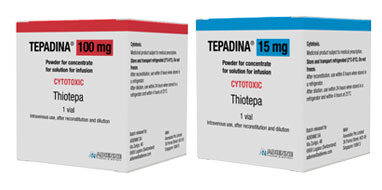
Thiotepa (Thiotepa) is a commonly used alkylating agent chemotherapy drug that is widely used in the treatment of a variety of malignant tumors, such as breast cancer, ovarian cancer, bladder cancer, and certain types of leukemia and lymphoma. As a cytotoxic drug, thiotepa inhibits the replication and proliferation of tumor cells by forming adducts with DNA, thereby achieving anti-cancer effects. However, due to its strong cytotoxicity, the use of thiotepa chemotherapy is often associated with a variety of side effects and adverse reactions. This article will introduce in detail the possible side effects during thiotepa chemotherapy to help patients and medical staff better understand and manage these adverse reactions.
First, myelosuppression is one of the most common and important side effects of thiotepa chemotherapy. Myelosuppression manifests as a decrease in white blood cells, red blood cells, and platelets, known as leukopenia, anemia, and thrombocytopenia, respectively. Reduced leukocytes will weaken the patient's immunity and make the patient susceptible to bacterial and viral infections. In severe cases, sepsis may occur. Anemia manifests itself as fatigue, dizziness, palpitations and other symptoms, while thrombocytopenia may lead to bleeding tendencies, such as skin ecchymosis, nosebleeds or gum bleeding. Clinically, doctors will regularly monitor blood routine, adjust the dose of thiotepa according to changes in blood images, and provide growth factor support or blood transfusion treatment when necessary to reduce risks.
Secondly, gastrointestinal reactions are also common side effects of thiotepa use. Patients often experience symptoms such as nausea, vomiting, loss of appetite, and diarrhea during chemotherapy. These reactions not only affect the patient's quality of life but may also lead to malnutrition and weight loss. Modern antiemetic drugs and nutritional support can effectively alleviate these symptoms. Patients should promptly report discomfort to their doctor and receive symptomatic treatment. In addition, oral mucositis is also a common side effect, manifesting as oral ulcers, pain and difficulty swallowing. In terms of care, you need to keep your mouth clean and avoid irritating foods.
Third, damage to liver and kidney function is an organ toxicity that needs to be focused on during thiotepa chemotherapy. Thiotepa is metabolized by the liver, and some metabolites may cause damage to liver cells, manifesting as abnormal liver function, such as elevated transaminases. The kidney is an important organ for drug excretion, and thiotepa and its metabolites may cause decreased renal function, manifested by increased serum creatinine and decreased urine output. During use, doctors will regularly monitor liver and kidney function and adjust the dosage or discontinue medication if necessary to avoid serious organ damage. Patients should maintain adequate fluid intake to prevent dehydration from aggravating the burden on the kidneys.
In addition, neurological side effects, although rare, still warrant vigilance. Thiotepa may cause neurotoxicity, manifested by symptoms of peripheral neuropathy such as numbness, tingling, and abnormal sensation in the hands and feet, which may affect daily life in severe cases. Some patients may also experience central nervous system symptoms such as headache and dizziness. Prompt recognition and treatment of these symptoms, and suspending medication or adjusting the treatment plan if necessary, can help reduce nerve damage.
Finally, allergic reactions and local reactions are also possible problems when using thiotepa. Some patients may develop allergic symptoms such as rash, itching, and fever, and in severe cases may even suffer from anaphylactic shock. In addition, redness, swelling, pain or induration may occur at the drug injection site, so attention should be paid to injection technique and local care.
In summary, common side effects during thiotepa chemotherapy include bone marrow suppression, gastrointestinal reactions, liver and kidney damage, neurotoxicity, and allergic and local reactions. Reasonable prevention and monitoring measures, timely supportive treatment, and close cooperation between patients and medical staff can effectively reduce the risk of these adverse reactions and improve the safety and efficacy of treatment. While using thiotepa, patients should maintain good communication and promptly report any discomfort so that medical staff can provide targeted treatment.
Reference materials:https://www.drugs.com/donanemab.html
[ 免责声明 ] 本页面内容来自公开渠道(如FDA官网、Drugs官网、原研药厂官网等),仅供持有医疗专业资质的人员用于医学药学研究参考,不构成任何治疗建议或药品推荐。所涉药品可能未在中国大陆获批上市,不适用于中国境内销售和使用。如需治疗,请咨询正规医疗机构。本站不提供药品销售或代购服务。


