
.jpeg)
What does the instructions for Repotrectinib include?
Repotrectinib(Repotrectinib), trade name: Augtyro, is an innovative small molecule tyrosine kinase inhibitor (TKI) that has gained widespread attention in the field of targeted tumor treatment in recent years. The drug is specifically designed to cross the blood-brain barrier and inhibit multiple kinase mutation sites, showing high targeting and potency against complex tumor-driving mechanisms.
1. Indications
Reputinib is mainly approved for two major categories of tumor indications. One is ROS1-positive locally advanced or metastatic non-small cell lung cancer (NSCLC). It is suitable for patients who have not previously received ROS1 targeted therapy, and also covers patients who have developed resistance after receiving other ROS1 inhibitor treatments. The second one is solid tumors carrying NTRK (neurotrophic tyrosine kinase) gene fusion, including but not limited to neuroblastoma, sarcoma, thyroid cancer and salivary gland cancer, etc. It is suitable for adults and children aged 12 years and above. The drug is also suitable for treating patients with brain metastasis due to its strong central nervous system penetration ability.
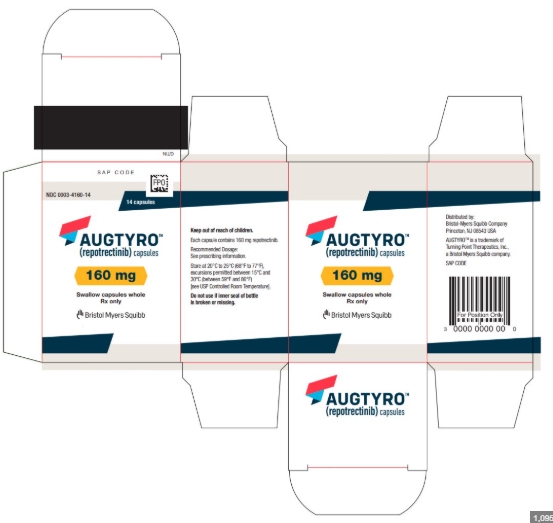
2. Usage and dosage
According to the recommended medication regimen, the dose of reprotinib is gradually increased in the early stages of treatment to improve tolerability and efficacy. The initial dose is 160 mg orally once a day for 14 days; thereafter, if the patient tolerates it well, the dose can be increased to 160 mg twice a day. The medicine can be taken with food or on an empty stomach. It is recommended to take the medicine at a roughly fixed time period every day to ensure stable efficacy. In addition, if grade 3 or above toxic reactions occur, doctors can adjust the dose or interrupt treatment according to the patient's specific conditions. It should be noted that repotinib is not recommended for patients with severe hepatic insufficiency. At the same time, the use of strong CYP3A4 inhibitors or inducers should be avoided during the medication to reduce the impact of drug interactions on efficacy.
3. Pharmacological mechanism
Reputinib binds and inhibits with high affinityROS1, TRKA, TRKB, and TRKC kinase activities block signaling pathways in tumor cells, thereby inhibiting tumor cell proliferation and metastasis. Compared with previous-generation TKIs, reprotinib also has good inhibitory capabilities against known drug-resistant mutations (such as ROS1 G2032R, NTRK G595R, etc.), which gives it a unique advantage in "retargeted therapy after drug resistance." Its molecular structure has been optimized to enter the central system more effectively, so it also shows strong clinical value for patients with brain metastases.
4. Adverse reactions and precautions
Common adverse reactions in clinical use include dizziness, constipation, dysgeusia, fatigue, myalgia, etc., and the vast majority are mild to moderate reactions. Some patients may experience an increase in ALT or AST during treatment, so it is recommended to monitor liver function regularly during treatment. When children and adolescents use this product, the dosage must be adjusted strictly based on body weight and doctor's guidance. For pregnant or lactating female patients, the risks of medication should be weighed and used with caution. It is recommended to take effective contraceptive measures during treatment.
5. Storage and packaging
Reputinib tablets should be storedin a dry environment below 25°C, away from direct sunlight. Its common strength is 160mg/tablet, and each bottle usually contains multiple tablets to meet the dosage of two weeks or one month. Please be sure to follow the prescription and instructions of your pharmacist or oncologist when taking it, and avoid increasing or decreasing the dose or interrupting treatment on your own.
Reference materials:https://www.drugs.com/mtm/repotrectinib.html
[ 免责声明 ] 本页面内容来自公开渠道(如FDA官网、Drugs官网、原研药厂官网等),仅供持有医疗专业资质的人员用于医学药学研究参考,不构成任何治疗建议或药品推荐。所涉药品可能未在中国大陆获批上市,不适用于中国境内销售和使用。如需治疗,请咨询正规医疗机构。本站不提供药品销售或代购服务。


