
.jpeg)
Download the Chinese instruction manual of Etrasimod
Etrasimod is a novel, oral, selective sphingosine-1-phosphate (S1P) receptor modulator that has been approved in recent years for the treatment of adult patients with moderately to severely active ulcerative colitis (UC). As a member of S1P targeted therapy, itrimod represents a cutting-edge, non-immunosuppressive, oral small molecule drug option for the treatment of ulcerative colitis.
1. General drug information
Common English name:Etrasimod
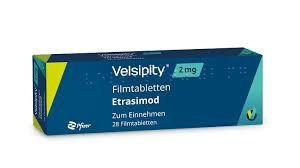
Trade name (foreign):Velsipity (sold by Pfizer in the United States)
Dosage form: oral tablet
Specification:2mg
Frequency of administration: Once a day, it is recommended to take it orally at the same time every day
2. Description of indications
Itramod is primarily indicated for the treatment of adults with moderately to severely active ulcerative colitis and is particularly suitable for individuals with:
Those who have an inadequate response or intolerance to traditional aminosalicylic acid drugs, glucocorticoids or immunosuppressants; patients who wish to avoid intravenous or subcutaneous injection treatments;
Patients with chronic intestinal inflammation who require continued maintenance of remission.
The drug acts onS1P1 receptor subtype to reduce the migration of pathogenic lymphocytes from lymph nodes to the intestine, thereby effectively reducing the inflammatory load.
3. Analysis of the mechanism of action
Itramod exerts its immunomodulatory function mainly by regulatingS1P1 receptor. The S1P pathway plays a central role in lymphocyte migration. Itramod blocks this signal, reduces the peripheral release of pathogenic T cells, and limits their attack on colon tissue. It is a treatment strategy with "strong targeting and few systemic side effects."
Strong selectivity: Compared with the first generationS1P modulators, such as fingolimod, itridimod has a higher affinity for S1P1 and a lower incidence of side effects;
Immunomodulatory non-suppressive: It modulates rather than completely suppresses the immune system, reducing the risk of serious infections;
Reversible effect: After the drug is stopped,S1P1 signal can gradually recover, which is conducive to individualized treatment adjustment.
4. Usage, dosage and precautions
Recommended dose:2 mg/day, taken orally, before or after meals; it is not recommended to adjust the dose by yourself, especially in the case of combined medication or liver function impairment; no dose titration is required: this is one of the important advantages of this drug over some S1P modulators, simplifying the clinical operation process;
Pre-treatment evaluation: It is recommended to conduct an electrocardiogram before taking the drug for the first time to rule out abnormal heart rhythm problems;
Regular follow-up: including liver function, blood pressure, and eye examination (becauseS1P modulator may affect the retina).
5. Common side effects
Itrimod is generally well tolerated, but there are still some mild to moderate side effects that require close clinical attention:
Bradycardia (especially in the initial stage of medication), slight increase in blood pressure; headache, fatigue, nausea; elevated liver enzymes; upper respiratory tract infection; although serious side effects are rare, if symptoms of bradycardia, serious infection or jaundice occur, the drug should be discontinued immediately and seek medical attention.
6. Medication recommendations for special populations
Pregnant and lactating women: There is still a lack of sufficient human safety data, and it is recommended to weigh the risks after a doctor's evaluation;
Children and Adolescents: Not approved for use in persons under 18 years of age;
Elderly people: No special dose adjustment is required, but the medication should be used with caution based on their heart function and liver and kidney conditions.
Reference materials:https://www.drugs.com/mtm/etrasimod.html
[ 免责声明 ] 本页面内容来自公开渠道(如FDA官网、Drugs官网、原研药厂官网等),仅供持有医疗专业资质的人员用于医学药学研究参考,不构成任何治疗建议或药品推荐。所涉药品可能未在中国大陆获批上市,不适用于中国境内销售和使用。如需治疗,请咨询正规医疗机构。本站不提供药品销售或代购服务。


