
.jpeg)
Which one is better, capmatinib or crizotinib?
Capmatinib and crizotinib (Crizotinib) are two targeted drugs used to treat non-small cell lung cancer (NSCLC). Although they are both tyrosine kinase inhibitors (TKIs), their mechanisms of action and targets are significantly different. Therefore, their applicability, efficacy performance and side effect spectrum in the treatment of lung cancer of different molecular types are also different. To evaluate which of the two is more effective, it is necessary to consider factors such as their respective indications, gene mutation target specificity, clinical response rate, and individual patient differences.
Platinib is a highly selectiveRET gene fusion targeted inhibitor, mainly suitable for patients with non-small cell lung cancer with RET fusion mutations. RET fusions are a key genetic alteration that drives cancer development and account for approximately 1%-2% of NSCLC. The advantage of platinib lies in its precise identification and high-affinity inhibition of RET fusion-positive tumors, as well as its good ability to control brain metastasis and its durable therapeutic response. In addition, the drug is approved to treat other solid tumors associated with RET mutations, such as medullary thyroid cancer. Therefore, among RET fusion-positive patients, platinib is considered the preferred first-line treatment, and its efficacy is significantly better than traditional chemotherapy or non-specific TKI.
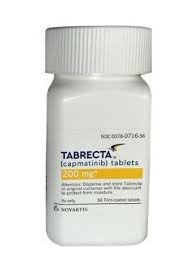
Crizotinib is a multi-target TKI. In the early days, it mainly targeted NSCLC positive for the EML4-ALK fusion gene. Later, it was found that it can also inhibit other mutation pathways such as ROS1 and MET, so it is widely used in the treatment of ALK-positive or ROS1-positive NSCLC. Crizotinib has been on the market for a longer time and has accumulated more clinical practice experience, especially in ALK-positive people. However, in terms of controlling brain metastases, crizotinib has a certain problem of insufficient ability to penetrate the central nervous system. Therefore, in some patients, it may be necessary to combine it with other drugs to further manage brain metastases.
From the perspective of target specificity and treatment accuracy, platinib's targeting ability forRET fusion is much higher than crizotinib's non-specific inhibition of RET, and the latter has poorer efficacy in RET-related patients. Therefore, if the patient is clearly RET fusion positive, platinib is a more targeted and effective choice. Crizotinib has a first-line status in ALK or ROS1-positive people, and has obvious efficacy in patients with these specific gene mutations, but its use is not recommended for RET mutations. In addition, platinib has a relatively good safety profile and a more controllable adverse reaction spectrum, while crizotinib may cause more common gastrointestinal discomfort, visual impairment, abnormal heart rhythm and other problems.
In terms of resistance mechanisms, the two also show differentiated characteristics. Platinib may occurSecondary resistance mutations related to RET mutations need to be overcome through subsequent treatment strategies after long-term treatment. After crizotinib is used in ALK-positive patients, various drug-resistant mutations may also occur, such as L1196M, G1269A, etc. Such mutations often require the use of other second- or third-generation ALK inhibitors for relay treatment.
Reference materials:https://www.drugs.com/mtm/capmatinib.html
[ 免责声明 ] 本页面内容来自公开渠道(如FDA官网、Drugs官网、原研药厂官网等),仅供持有医疗专业资质的人员用于医学药学研究参考,不构成任何治疗建议或药品推荐。所涉药品可能未在中国大陆获批上市,不适用于中国境内销售和使用。如需治疗,请咨询正规医疗机构。本站不提供药品销售或代购服务。


