
.jpeg)
What should patients pay attention to while taking Ivosidenib?
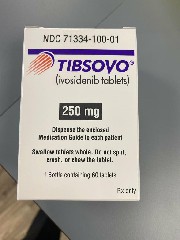
Ivosidenib (Ivosidenib) is an oral drug targeting isocitrate dehydrogenase1 (IDH1) mutation. Small molecule inhibitors are widely used in the treatment of IDH1 mutation-positive acute myeloid leukemia (AML) and some patients with solid tumors. While taking ivonib, patients need to strictly abide by medical instructions and pay close attention to body reactions to ensure efficacy and reduce the occurrence of adverse events. The following are several aspects that patients need to pay special attention to while taking medication.
1. Regularly test blood routine and liver function, and be alert to side effects
Common side effects of ivonib include leukocytosis, fever, QT prolongation, nausea, diarrhea, fatigue, etc. Since this drug may affect hematopoietic function, patients should undergo regular blood routine examinations while taking the drug to monitor changes in white blood cells, neutrophils, hemoglobin, platelets and other indicators. If severe granulocytopenia or anemia occurs, the doctor may suspend the medication or reduce the dose depending on the specific situation.
In addition, ivosidenib may cause liver function abnormalities, manifested by elevated transaminases (such asALT, AST). Therefore, it is recommended to check liver function regularly at the beginning of medication and throughout the course of treatment. If symptoms such as jaundice, itchy skin, or darkened urine occur, you should seek medical attention promptly and have your liver function evaluated. Severe cases may require discontinuation of treatment.
2. Pay attention to electrocardiogram monitoring to preventQT interval prolongation
Ivonib is known to cause prolongation of the QT interval, thereby increasing the risk of arrhythmia. Patients with a history of heart disease or combined use of drugs that affect cardiac conduction need to be more vigilant. Doctors usually recommend a baseline electrocardiogram before starting treatment, and repeat it periodically while taking the medication.
Patients should avoid concomitant use of drugs known to prolong the QT interval during treatment, such as certain antibiotics, antifungals, antidepressants, etc. If you need to use drugs together, you should consult your doctor or pharmacist in advance to confirm whether there is any interaction between the drugs. At the same time, maintaining electrolyte balance in the body, especially potassium, magnesium, and calcium levels, helps prevent QT abnormalities.
3. Be wary of differential differentiation syndrome (Differentiation Syndrome)
Although the mechanism of ivonib inducing leukemia cell differentiation is effective, it may also lead to differential differentiation syndrome (Differentiation Syndrome, referred to as DS). This syndrome usually occurs within days to weeks after taking the drug, and is characterized by fever, rapid weight gain, dyspnea, pleural effusion, hypotension, and renal damage.
If the above symptoms occur, you should be highly alert to the possibility of DS and seek medical attention immediately. Standard treatment options include short-term use of glucocorticoids (such as dexamethasone), withholding ivonib if necessary and re-evaluating the medication regimen after symptoms subside.
4. Arrange your diet and medication time reasonably to improve the efficacy of the medication.
Avosidenib is an oral preparation. It is generally recommended to take 500 mg once a day. It can be taken on an empty stomach or with food. However, it is necessary to take the medicine on time and in the right amount every day, and do not increase or decrease the dose on your own. If you miss a dose due to special reasons, and if it is a long time before the next dose (such as more than 12 hours), you can take it as soon as possible; but if the time is close to the next dose, you should skip the missed dose and do not take double dose.
In addition, you should avoid ingesting grapefruit or its juice while taking the drug, because it may interfere with drug metabolism through CYP3A4enzyme inhibition, resulting in increased blood drug concentration and increased risk of toxicity. It is recommended to maintain a balanced diet, add enough fluids, and avoid high-fat diets that may affect drug absorption.
5. Female contraception and fertility advice
Ivonib may have adverse effects on the fetus, so women of childbearing age must use effective contraceptive measures while taking the drug and continue contraception for at least one month after stopping the drug. Male patients should also take contraceptive measures during the medication and for at least three months after stopping the medication to prevent affecting the quality of fertility or affecting the fetus through semen.
For patients who are planning pregnancy or breastfeeding, they should communicate with their doctor in advance and decide whether to start or suspend treatment based on their condition and weigh the pros and cons. There are currently insufficient data to confirm the safety of ivonib during lactation, so it is recommended to avoid breastfeeding during treatment.
6. Closely cooperate with doctors to follow up and report medication reactions
During the entire treatment process, patients should visit their doctor regularly and truthfully report their reactions and discomfort after using the drug. If symptoms such as persistent nausea, vomiting, loss of appetite, and fatigue occur, or new unexplained fever, cough, bleeding tendency, etc., they should be treated promptly. For patients undergoing long-term treatment, attention should also be paid to the long-term safety and efficacy evaluation of the drug.
In short, ivonib is an effective drug for targeted precision treatment, but there are certain risks during its treatment. Using drugs scientifically and rationally, closely monitoring treatment response, and adjusting the plan according to doctor's instructions are the keys to improving treatment effects, prolonging survival, and ensuring safety. Patients and their families should cooperate with the medical team, conduct regular testing, proactively communicate, and remain vigilant and standardized during medication, so that the clinical value of ivonib can be fully utilized.
Reference link:https://www.tibsovo.com/
[ 免责声明 ] 本页面内容来自公开渠道(如FDA官网、Drugs官网、原研药厂官网等),仅供持有医疗专业资质的人员用于医学药学研究参考,不构成任何治疗建议或药品推荐。所涉药品可能未在中国大陆获批上市,不适用于中国境内销售和使用。如需治疗,请咨询正规医疗机构。本站不提供药品销售或代购服务。


