
.jpeg)
How long is the infusion time of durvalumab (durvalumab) and what are the precautions?
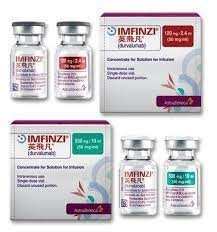
Durvalumab (Durvalumab) is a humanized IgG1κ-type monoclonal antibody that mainly acts on programmed death ligand -1 (PD-L1), by lifting the immunosuppressive state of T cells, thereby enhancing the body's immune response to tumor cells. The drug is currently widely used to treat various solid tumors such as non-small cell lung cancer (NSCLC) and urinary system cancer. For clinical users, the infusion time and related precautions of durvalumab are directly related to the efficacy, safety and patient's treatment experience. Therefore, this article will explain in detail the infusion process, specific time, and precautions before and after infusion.
1. Standard infusion time and process of durvalumab
The recommended dose of durvalumab is usually an intravenous infusion of 10 mg/kg based on body weight once every 2 weeks, or a fixed dose of 1500 mg once every 4 weeks (applicable to some patients). The infusion method is intravenous drip, and a slow infusion of 60 minutes should be used for the first administration to ensure that the patient can tolerate it. If the first dose infusion goes smoothly and there are no serious adverse reactions, subsequent infusions can be shortened to 30 minutes as appropriate, but must be conducted under the guidance and evaluation of a doctor.
Specially configured infusion equipment is required during the infusion process, usually requiring the use of 0.2 or 0.22 micron low protein-binding filters. Drugs should be diluted to the specified concentration with sterile injection (usually 0.9% sodium chloride solution), and then slowly entered into the patient's body through an infusion pump or gravity infusion system. The entire process is monitored by professional nurses or doctors to prevent infusion reactions or sudden allergic reactions.
2. Preparation and assessment before infusion
Before durvalumab infusion, patients need to undergo a series of physical signs and laboratory tests, including but not limited to: blood routine, liver and kidney function, electrolyte levels, tumor indicators, etc., to evaluate whether their basic condition is suitable for treatment. In addition, it is also necessary to evaluate the past immune-related medical history, such as whether you have autoimmune diseases, chronic lung diseases, or are receiving other immunomodulatory treatments to avoid drug interactions or increase the risk of immunotoxicity.
Doctors usually advise patients to eat and drink appropriately before infusion and to maintain good physical condition. Pretreatment medications, such as antihistamines or corticosteroids, may be needed in some cases to prevent infusion-related allergic reactions, especially during the first few doses of durvalumab, which require close monitoring.
3. Observation points during the infusion process
During the entire infusion process, medical staff need to focus on monitoring the patient's vital signs, including body temperature, blood pressure, pulse and respiratory rate. Especially within the first 30 minutes, you need to pay close attention to whether there are any infusion reactions such as chills, fever, rash, laryngeal edema, and chest tightness. Once discomfort is discovered, the infusion speed should be slowed down or the infusion should be suspended immediately, and anti-allergic treatment should be given as appropriate.
In addition to allergic reactions, durvalumab may also cause immune-related adverse events (irAEs), such as pneumonia, hepatitis, colitis, endocrine disorders, etc., so the clinical team should have a complete management plan. Some hospitals will also observe patients for 30 to 60 minutes after the infusion to ensure that no delayed adverse reactions occur.
4. Post-infusion monitoring and long-term management recommendations
After completing the infusion of durvalumab, patients need to receive periodic treatment as planned and cooperate with their doctors for routine follow-up examinations. During long-term medication, hematological indicators and immune system responses need to be continuously monitored. If symptoms such as chronic fatigue, rash, dyspnea, jaundice, constipation and diarrhea occur, the doctor should be informed in time.
In addition, if you plan to receive vaccinations during the treatment cycle, you must communicate with your doctor in advance to avoid vaccination with live vaccines to avoid adverse reactions. Some patients will experience changes in their fertility during treatment, so it is recommended that patients of childbearing age take effective contraceptive measures during treatment and continue contraception for a period of time (usually at least 3 months is recommended) until the drug is removed.
In general, as a type of PD-L1 immune checkpoint inhibitor, durvalumab has a significant therapeutic effect, but the medication process requires a high degree of individualization and professional monitoring. Mastering the standard infusion time, improving the evaluation mechanism and paying attention to the prevention of immune-related complications are the keys to ensuring maximum clinical efficacy. Patients should receive standardized treatment at qualified medical institutions and follow medical instructions for full management.
Reference materials:https://www.imfinzi.com/
[ 免责声明 ] 本页面内容来自公开渠道(如FDA官网、Drugs官网、原研药厂官网等),仅供持有医疗专业资质的人员用于医学药学研究参考,不构成任何治疗建议或药品推荐。所涉药品可能未在中国大陆获批上市,不适用于中国境内销售和使用。如需治疗,请咨询正规医疗机构。本站不提供药品销售或代购服务。


