
.jpeg)
The main effects and therapeutic effect evaluation of linezolid
Linezolid (Linezolid) is a new antibacterial drug belonging to the oxazolidinone class. Due to its unique mechanism of action and broad-spectrum antibacterial activity, it has been widely used in clinical treatment in recent years. This article will introduce in detail the main effects, clinical therapeutic effects and evaluation of linezolid to provide reference for medical staff and patients.
First of all, the main mechanism of action of linezolid is to exert its antibacterial effect by inhibiting bacterial protein synthesis. It inhibits bacterial protein synthesis by binding to the bacterial ribosome 50S subunit and preventing the formation of the initiation complex. Different from traditional antibiotics, linezolid acts on the early stage of bacterial protein synthesis, which makes it have a significant bactericidal effect on a variety of drug-resistant bacteria such as methicillin-resistant Staphylococcus aureus (MRSA), vancomycin-resistant enterococci (VRE). Linezolid has good antibacterial activity against Gram-positive bacteria, including Staphylococcus aureus, Streptococcus aureus and Enterococcus aureus, and it also shows certain efficacy against some Gram-negative bacteria and anaerobic bacteria.
Secondly, linezolid has a wide range of clinical applications. It is commonly used to treat complex skin and soft tissue infections caused by drug-resistant Gram-positive bacteria, pneumonia (including nosocomial pneumonia and community-acquired pneumonia), bloodstream infections, and osteomyelitis associated with drug-resistant bacteria. Especially in the context of increasingly serious infections caused by drug-resistant bacteria, linezolid has become an important treatment option. Multiple clinical studies have shown that linezolid has a high clinical cure rate and microbial clearance rate when treating these infections. Its oral bioavailability is high, and patients can flexibly choose intravenous or oral administration, which facilitates continuous treatment and medication management after discharge.
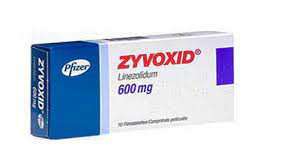
In terms of treatment effect evaluation, linezolid has shown good safety and tolerability, but there is also a certain risk of side effects. Common adverse reactions include gastrointestinal reactions (such as nausea, diarrhea), headache, rash, etc. Long-term use or high-dose use may result in hematologic toxicities such as thrombocytopenia, anemia, neutropenia, and even rare lactic acidosis. In addition, linezolid may cause neurological adverse reactions, including optic neuritis and peripheral neuropathy, particularly if treatment exceeds 28 days. Therefore, during clinical medication, it is necessary to closely monitor blood images and nervous system conditions, and rationally adjust dosage and medication time.
Overall, linezolid, as an effective antibacterial drug against drug-resistant Gram-positive bacteria, occupies an important position in modern anti-infective treatment. Its unique mechanism of action and good clinical efficacy provide a powerful tool for the treatment of complex drug-resistant infections. However, in view of its potential toxic and side effects, doctors should strictly control the indications when using it, formulate reasonable treatment plans, and conduct comprehensive monitoring of patients. As the problem of antibiotic resistance continues to develop in the future, the application prospects of linezolid will still be broad, but it is also necessary to constantly pay attention to its safety and resistance changes to ensure that the treatment effect is maximized and the patient benefits are maximized.
Reference materials:https://go.drugbank.com/drugs/DB00601
xa0
[ 免责声明 ] 本页面内容来自公开渠道(如FDA官网、Drugs官网、原研药厂官网等),仅供持有医疗专业资质的人员用于医学药学研究参考,不构成任何治疗建议或药品推荐。所涉药品可能未在中国大陆获批上市,不适用于中国境内销售和使用。如需治疗,请咨询正规医疗机构。本站不提供药品销售或代购服务。


