
.jpeg)
Durvalumab (durvalumab) usage and dosage standards and individualized medication recommendations
Durvalumab (Durvalumab) is a humanized IgG1 monoclonal antibody. It is an immune checkpoint inhibitor and mainly works by blocking PD. -The combination of L1with PD-1 receptor restores the immune attack ability of T cells against tumor cells. This drug is mainly suitable for maintenance treatment of unresectable stage III non-small cell lung cancer (NSCLC) without progression after radiotherapy and chemotherapy, as well as some extensive-stage small cell lung cancer. The standard usage is intravenous infusion, and each administration time should not be shorter than 60 minutes to ensure that the drug enters the body system evenly.
In terms of recommended dosage, the usual usage of durvalumab is intravenous infusion of 10 mg/kg body weight once every 2 weeks; there is also a fixed dose regimen of 1500 once every 4 weeks. mg, for some adult patients. Treatment should be continued until the disease progresses or unacceptable toxic reactions occur, and the maximum treatment period generally does not exceed 12 months. In actual clinical operations, the appropriate dosing frequency and dosage regimen should be determined based on the instructions and physician evaluation.
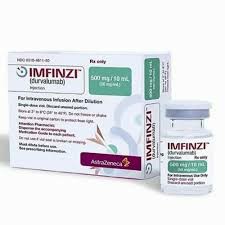
For different patients, the dosage of durvalumab needs to be adjusted individually. For patients with immune system diseases, organ dysfunction, or combined infections, risks should be fully assessed before treatment and immune-related adverse events, such as pneumonia, enteritis, hepatitis, and rash, should be closely monitored during use. In addition, the elderly and those with mild to moderate impairment of liver and kidney function usually do not need to adjust the dose. However, for patients with severe liver impairment or dialysis, there is currently a lack of sufficient data and it is recommended to use it with caution.
In terms of personalized medication recommendations, PD-L1 expression and basic tumor burden should be detected before treatment. Some patients respond better to durvalumab when the expression is high. In addition, a comprehensive assessment should be made based on the patient's tolerance to radiotherapy and chemotherapy, immune status, and other accompanying diseases. If moderate to severe immune-related adverse reactions occur, the medication should be suspended and hormonal intervention should be given as appropriate. In general, although the usage of durvalumab is standardized, individual differences are significant. The medication regimen needs to be adjusted reasonably under the guidance of a professional doctor to achieve a balance between maximum efficacy and minimum risk.
Reference materials:https://www.imfinzi.com/
[ 免责声明 ] 本页面内容来自公开渠道(如FDA官网、Drugs官网、原研药厂官网等),仅供持有医疗专业资质的人员用于医学药学研究参考,不构成任何治疗建议或药品推荐。所涉药品可能未在中国大陆获批上市,不适用于中国境内销售和使用。如需治疗,请咨询正规医疗机构。本站不提供药品销售或代购服务。


