
.jpeg)
Differences and clinical application comparison between linezolid and vancomycin
Linezolid (Linezolid) and vancomycin (Vancomycin) are both important antibiotics commonly used clinically to treat Gram-positive bacterial infections, but they have many differences in their mechanisms of action, indications, usage, side effects, and clinical status. An in-depth understanding of the differences between these two drugs and their respective clinical application characteristics will help doctors choose a reasonable antibacterial regimen and help patients understand the pros and cons of drug use.
First of all, from the perspective of the drug's mechanism of action, linezolid is a synthetic antibiotic that belongs to the "oxazolidinones". Its mechanism of action is to inhibit bacterial protein synthesis by binding to the bacterial ribosome's 50S subunit and blocking its formation of an initial complex with the 30S subunit, thereby inhibiting bacterial reproduction. In contrast, vancomycin is a glycopeptide antibiotic that plays a bactericidal effect by binding to the D-Ala-D-Ala terminal in bacterial cell wall precursors to prevent cell wall synthesis. The two have different action sites, so their sensitivity to certain bacteria is also different.
Secondly, from the perspective of antibacterial spectrum and clinical indications, both of them mainly target Gram-positive bacteria, but their coverage is slightly different. Vancomycin has good bactericidal activity against Gram-positive bacteria such as methicillin-resistant Staphylococcus aureus (MRSA), Staphylococcus epidermidis, enterococci, and streptococci, and is a classic drug for the treatment of MRSA infections. In addition to being effective against MRSA, linezolid also has a significant inhibitory effect on vancomycin-resistant enterococci (VRE). Therefore, linezolid is often recommended as an alternative in cases of vancomycin resistance. In addition, linezolid can also be used to treat complex skin and soft tissue infections, hospital-acquired pneumonia, etc., while vancomycin is often used to treat severe bacteremia, endocarditis, osteomyelitis and other infections.
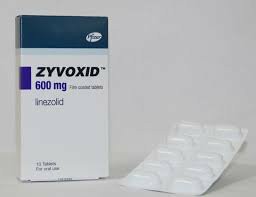
There are also differences between the two in terms of administration and pharmacokinetics. Vancomycin is mainly used through intravenous drip. Due to its poor oral absorption, it is only taken orally when treating Clostridium difficile infection, and it mainly works locally in the intestine. Linezolid has good oral bioavailability (approximately 100%) and can be used either orally or intravenously, which facilitates smooth clinical conversion between intravenous and oral administration (IV to PO switch), which is especially suitable for outpatient treatment or shortening hospitalization time. In addition, the excretion of vancomycin mainly depends on renal function, so patients with renal insufficiency need to adjust the dose and monitor blood concentrations; linezolid is mainly metabolized by the liver and has little impact on renal function, and generally does not require special dose adjustment.
In terms of drug safety and side effects, both have their own characteristics. The more common side effects of vancomycin include "red man syndrome" (facial flushing and itching caused by rapid infusion), nephrotoxicity and ototoxicity. Therefore, renal function and blood concentration must be monitored during use to avoid excessive dosage. Common adverse reactions of linezolid include bone marrow suppression (such as thrombocytopenia), peripheral neuropathy, lactic acidosis, and serotonin syndrome related to monoamine oxidase (MAO) inhibition. These side effects are closely related to the treatment time. Therefore, when linezolid is used for more than 2 weeks, blood and neurological symptoms need to be closely monitored, and the drug should be discontinued if necessary.
In terms of clinical application selection, the two are complementary to a certain extent. For initial treatment of MRSA infections, especially severe infections such as pneumonia or endocarditis, vancomycin remains the drug of choice, but when patients develop vancomycin resistance, have impaired renal function, or are unable to take intravenous medications, linezolid often becomes the preferred alternative. In addition, in the treatment of VRE infections, vancomycin is ineffective due to resistance, and linezolid has become an effective option. In recent years, the application of linezolid in the field of fighting multi-drug-resistant bacteria has gradually increased. However, considering its high price and incidence of adverse reactions, clinical use needs to be weighed.
In summary, linezolid and vancomycin are both clinically valuable drugs against Gram-positive bacteria. They have their own advantages in terms of mechanism of action, scope of application, route of administration, side effects and drug resistance. Reasonable selection should be based on factors such as pathogenic bacteria type, drug sensitivity, individual patient differences, and treatment scenarios. The scientific use of these two types of drugs can help improve the success rate of infection control while avoiding the risk of drug resistance caused by the misuse of antibiotics.
Reference materials:https://go.drugbank.com/drugs/DB00601
[ 免责声明 ] 本页面内容来自公开渠道(如FDA官网、Drugs官网、原研药厂官网等),仅供持有医疗专业资质的人员用于医学药学研究参考,不构成任何治疗建议或药品推荐。所涉药品可能未在中国大陆获批上市,不适用于中国境内销售和使用。如需治疗,请咨询正规医疗机构。本站不提供药品销售或代购服务。


