
.jpeg)
Differences Between Tocilizumab and Rituximab
Tocilizumab and Rituximab are two biological agents widely used in the treatment of autoimmune diseases and some tumors. However, they have significant differences in their mechanisms of action, indications, targets, biological properties and clinical use strategies. Tocilizumab is a humanized anti-IL-6 receptor monoclonal antibody, while rituximab is a chimeric monoclonal antibody directed against the CD20 antigen. Although these two drugs belong to the same category of targeted biological therapy, due to their different pathways of action, there are essential differences in applicable disease types and immune intervention mechanisms.
First of all, in terms of mechanism of action, tocilizumab targets the interleukin6 (IL-6) receptor. IL-6 is a pro-inflammatory cytokine that plays a central role in a variety of chronic inflammatory diseases, such as rheumatoid arthritis, giant cell arteritis, and systemic juvenile idiopathic arthritis. Tocilizumab blocks the binding of IL-6 to its receptor and inhibits downstream inflammatory signaling, thereby alleviating chronic inflammatory responses. In contrast, rituximab targets the unique CD20 antigen on the surface of B lymphocytes, and its mechanism of action is to activate multiple pathways such as antibody-dependent cytotoxicity (ADCC) and complement-dependent cytotoxicity (CDC), leading to the elimination of B cells. This mechanism makes it highly effective in the treatment of diseases closely related to B cells, such as non-Hodgkin lymphoma, chronic lymphocytic leukemia, and B cell-mediated autoimmune diseases such as systemic lupus erythematosus or ANCA-associated vasculitis.
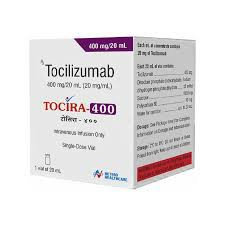
Secondly, judging from the differences in indications, tocilizumab is mainly used to treat inflammatory diseases, especially rheumatic immune diseases in which IL-6 is more involved.It is one of the first-line biological treatments for rheumatoid arthritis. In recent years, the drug has also been authorized for emergency use in patients with severe COVID-19, demonstrating its important potential in controlling cytokine storm. Rituximab is more commonly used in hematological malignancies, especially B-cell lymphomas and leukemias, and is also used in some refractory autoimmune diseases, such as refractory rheumatoid arthritis and neuromyelitis optica spectrum diseases. Although both can be used in rheumatoid arthritis, rituximab is often used as an alternative option after failure of TNF inhibitors, while tocilizumab is often in the early treatment pathway.
In terms of security, both also have their own focus. Common side effects of tocilizumab include neutropenia, abnormal liver function, and increased risk of infection, especially bacterial and opportunistic infections. Rituximab, because of its B cell depletion effect, leads to a more lasting immunosuppressive state and can easily cause viral reactivation such as HBV and PML (progressive multifocal leukoencephalopathy). In addition, both may cause infusion reactions during use, but rituximab is more likely to produce allergic or delayed immune reactions than tocilizumab due to its chimeric structure.
In terms of pharmacokinetic characteristics, tocilizumab is generally injected subcutaneously once a week or every two weeks, or intravenously infused once a month, which is suitable for long-term chronic disease management. Rituximab, on the other hand, is mostly administered by intermittent infusion and intravenously administered once every 6 months, which maintains the efficacy for a longer period of time. These differences in dosing frequency also create different considerations in terms of patient compliance and treatment cost.
Reference materials:https://www.drugs.com/mtm/tocilizumab.html
[ 免责声明 ] 本页面内容来自公开渠道(如FDA官网、Drugs官网、原研药厂官网等),仅供持有医疗专业资质的人员用于医学药学研究参考,不构成任何治疗建议或药品推荐。所涉药品可能未在中国大陆获批上市,不适用于中国境内销售和使用。如需治疗,请咨询正规医疗机构。本站不提供药品销售或代购服务。


