
.jpeg)
Tepotinib Chinese version instruction manual download: usage, dosage and precautions
Tepotinib is an oral small molecule tyrosine kinase inhibitor that targets MET gene mutations. It is mainly suitable for the treatment of patients with locally advanced or metastatic non-small cell lung cancer (NSCLC) carrying MET exon 14 skipping mutations. As part of precision therapy, its efficacy is based on clear molecular typing, so clear genetic testing is required before using the drug. Tepotinib has been approved in many countries, including China, European and American markets.
In terms of usage and dosage, the recommended dose of tepotinib is 450 mg taken orally once a day with food. This dose is equivalent to two 225 mg tablets and is the optimal dosage regimen determined based on pharmacokinetic and clinical efficacy studies. The recommendation to take medication after meals is not arbitrary. Its main purpose is to improve the absorption rate of the drug and reduce gastrointestinal irritation, effectively maintaining stable blood drug concentration. If you miss a dose during medication, but there are still more than 12 hours before the next dose, you can take it in time; if it is close to the next dose, skip the missed dose. It is not recommended to double the dose to compensate for the missed dose.
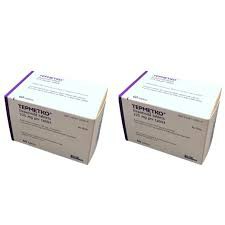
It is recommended to take the medication at the same time every day, such as after breakfast or dinner, to improve medication compliance and optimize the persistence of the medication effect. If the patient suffers from nausea, vomiting and other discomforts that affect oral administration, he or she needs to communicate with the doctor whether to adjust the dose or suspend treatment. The co-use of tepotinib with grapefruit or its juice should be avoided because such foods may interfere with the CYP3A metabolic pathway and affect the clearance rate of the drug, resulting in increased blood drug concentration.
In terms of precautions, it must first be clear: Tepotinib is only applicable to NSCLC patients with MET14 skipping mutations, and is ineffective against other types of driver mutations (such as EGFR, ALK, ROS1, etc.), so genotyping testing is a prerequisite before starting treatment. During the use of tepotinib, common adverse reactions include peripheral edema, nausea, hypoalbuminemia, anemia, fatigue, decreased appetite, and increased ALT/AST. Some patients may also develop interstitial lung disease or pneumonia-like manifestations, so special attention must be paid to the early identification of pulmonary symptoms.
Liver function, kidney function, electrolyte levels and blood routine indicators should be monitored regularly during treatment, especially in the first few treatment cycles. In addition, for patients who are taking multiple drugs, tepotinib may interact with certain drugs metabolized by CYP3A enzymes, so concomitant drugs need to be fully evaluated.
Female patients should at least Effective contraceptive measures should be taken within 1 week to avoid potential effects on the fetus. Adequate human studies have not been conducted in pregnant women, so tepotinib is not recommended for use in pregnant women. Breastfeeding women should also avoid taking the drug or suspend breastfeeding while taking the drug.
For older patients or patients with mildly impaired liver and kidney function, there is no need to adjust the dosage. However, if the patient suffers from moderate or severe liver damage, the use of this drug needs to be closely monitored by a doctor and the risks and benefits must be assessed. For patients who have experienced serious adverse reactions, temporary discontinuation, dose reduction, or discontinuation of treatment should be considered based on the degree of toxicity.
Reference materials:https://www.tepotinib.com/
[ 免责声明 ] 本页面内容来自公开渠道(如FDA官网、Drugs官网、原研药厂官网等),仅供持有医疗专业资质的人员用于医学药学研究参考,不构成任何治疗建议或药品推荐。所涉药品可能未在中国大陆获批上市,不适用于中国境内销售和使用。如需治疗,请咨询正规医疗机构。本站不提供药品销售或代购服务。


