
.jpeg)
Analysis of Common Side Effects and Serious Harm of Fenelidone
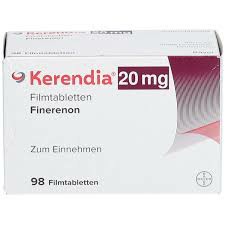
Finerenone is a new type of non-steroidal selective mineralocorticoid receptor antagonist, mainly used to treat patients with chronic kidney disease (CKD) associated with type 2 diabetes. As a drug targeting inflammation and fibrosis pathways, it shows significant advantages in protecting cardiorenal function. However, like other drugs, the use of fenelidone is associated with a certain risk of side effects, especially adverse reactions that require close attention during long-term treatment.
One of the most common side effects is hyperkalemia, which is caused by fenelinone inhibiting the effect of aldosterone on distal renal tubular sodium reabsorption, thereby affecting the excretion of potassium ions. Hyperkalemia may cause arrhythmias and, in severe cases, cardiac arrest, so potassium levels need to be monitored regularly during treatment. Particularly when combined with other drugs that may increase serum potassium (such as ACE inhibitors or ARBs), caution is required.
Secondly, some patients may experience mild renal function deterioration during treatment, manifested as an increase in serum creatinine or a decrease ineGFR. This change is common in the early stages of treatment and is mostly a reversible reaction. However, if the basic renal function is poor or combined with other chronic diseases, renal function indicators should be closely monitored. Hypotension has also been observed in some clinical individuals, particularly in the setting of concomitant use of antihypertensive agents or in the presence of fluid volume depletion.
In addition, although rare, there are individual reports that fenelinone may cause fatigue, dizziness, muscle twitching and other symptoms, most of which are related to electrolyte imbalance or blood pressure fluctuations.
In general, the side effects of fenelidone are mostly controllable and monitorable, but considering the risk of hyperkalemia and changes in renal function, detailed evaluation should be carried out before treatment and regular follow-up should be maintained during use. Rational medication management and individualized dose adjustment are key strategies to reduce the risk of side effects and improve drug safety.
Reference materials:https://www.kerendia.com/
[ 免责声明 ] 本页面内容来自公开渠道(如FDA官网、Drugs官网、原研药厂官网等),仅供持有医疗专业资质的人员用于医学药学研究参考,不构成任何治疗建议或药品推荐。所涉药品可能未在中国大陆获批上市,不适用于中国境内销售和使用。如需治疗,请咨询正规医疗机构。本站不提供药品销售或代购服务。


