
.jpeg)
Fruquintinib improves OS in mCRC followed by sequencing of regorafenib
Fruquintinib sequenced before regorafenib showed superior clinical outcomes compared with reverse sequencing in patients with advanced treatment of metastatic colorectal cancer (CRC), according to subgroup analysis data presented during the 2025 AACR Annual Meeting.
On March 1, 2025, the data cutoff, median overall survival (OS) was 21.2 months for patients who received fruquintinib then regorafenib (FR) in the overall population (n=35) compared with 21.2 months for patients who received regorafenib then fruquintinib (RF; n=18; log-rank The median overall survival (OS) of patients with P=0.587) was 15.8 months. In addition, the median OS of patients in the FR group (n=17) who received combination therapy was 23.6 months, compared with 12.3 months in the RF group (n=11; log-rank P=0.167). The median OS of third-line treatment patients in the FR (n=34) and RF (n=15) groups were 21.2 months and 17.7 months, respectively (log-rank P=0.571).
In the treatment of metastatic colorectal cancer, selecting the optimal treatment regimen, especially when considering sequential treatments, is critical to improving patient prognosis. This study[ aimed to compare the [efficacy] of fruquintinib followed by regorafenib versus regorafenib followed by fruquintinib in the advanced treatment of [patients with metastatic colorectal cancer].
In November 2023, the U.S. Food and Drug Administration (FDA) approved fruquintinib for the treatment of adult patients with metastatic CRC who have previously received fluoropyrimidine, oxaliplatin, and irinotecan-based chemotherapy, anti-VEGF therapy, and if RAS wild-type and medically appropriate, anti-EGFR therapy.
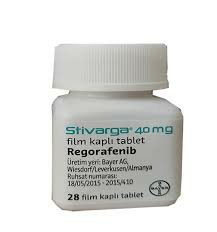
1. In-depth study of design and baseline characteristics
The study included adult patients with histologically confirmed metastaticCRC. Patients also needed to have an ECOG performance status of 0 or 1 and have received at least 2 lines of standard therapy. Eligible patients received FR or RF treatment.
At baseline,The median age in the FR and RF groups was 56 years (range 32-78) and 60.5 years (range 39-71), respectively. The majority of patients in both groups had RAS wild-type disease (62.86% vs. 61.11%) and had metastatic disease in the lungs (54.29% vs. 61.11%), liver (71.43% vs. 72.22%), and/or multiple sites (77.14% vs. 72.22%). Both groups of patients had BRAF wild-type disease, and most patients in both groups had received bevacizumab (bevacizumab; 80.0% vs. 66.67%).
The primary endpoint was medianOS. Secondary endpoints include median progression-free survival (PFS) and safety.
2. Other therapeutic findings
Additional data showed that sequential treatment with pre-treatment fruquintinib resulted in a median PFS of 4.4 months compared with 3.7 months with regorafenib in the overall population (P=0.014). In the combination treatment population, the median PFS was 7.3 months and 3.7 months, respectively (P=0.035). The overall response rate of fruquintinib before sequential treatment in the overall population was 11.43%, while that of regorafenib was 0%. The disease control rates were 82.86% and 11.11% respectively. Data from subgroup analyzes showed that FR treatment was associated with a median OS benefit compared with RF treatment in most patient subgroups evaluated.
3. Summary
In the advanced treatment of patients with metastatic colorectal cancer, a sequencing strategy with initial fruquintinib and regorafenib may show better clinical outcomes than reverse sequencing, particularly in the combination therapy population or third-line therapy. [Our] sample size is relatively limited. [Sample size] should be increased to further validate [these] findings.
References:https://www.onclive.com/view/sequencing-regorafenib-after-fruquintinib-improves-os-in-mcrc
[ 免责声明 ] 本页面内容来自公开渠道(如FDA官网、Drugs官网、原研药厂官网等),仅供持有医疗专业资质的人员用于医学药学研究参考,不构成任何治疗建议或药品推荐。所涉药品可能未在中国大陆获批上市,不适用于中国境内销售和使用。如需治疗,请咨询正规医疗机构。本站不提供药品销售或代购服务。


