
.jpeg)
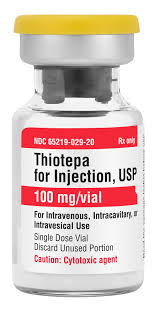
Detailed instructions and usage instructions for Thiotepa
Thiotepa (Thiotepa) is a drug widely used in tumor chemotherapy and belongs to the alkylating agent class of anticancer drugs. It blocks the DNA replication and transcription process of cancer cells by cross-linking with the bases in DNA molecules, thereby inhibiting the proliferation and growth of tumor cells. Due to its unique mechanism of action, thiotepa is often used in the treatment of a variety of malignant tumors, especially in some refractory or relapsed cancers. The following is a comprehensive introduction to the detailed instructions and usage instructions for thiotepa.
Drug ingredients and pharmacological effects
The main component of Thiotepa is Thiotepa. Its chemical structure contains three ethyleneimine groups, which can form covalent bonds with DNA bases through alkylation reactions in the body, leading to cross-linking and breakage of DNA chains. This effect not only inhibits the division of cancer cells, but also triggers the apoptosis of cancer cells. Thiotepa can penetrate cell membranes and distribute in multiple tissues throughout the body, including the central nervous system, so it has certain advantages in the treatment of brain tumors or brain metastases.
Indications, usage and dosage
Thiotepa is primarily used to treat a variety of solid tumors and hematological malignancies, such as breast cancer, ovarian cancer, bladder cancer, intravesical administration for bladder cancer, pretreatment before bone marrow transplantation, and certain types of lymphoma and leukemia. Dosage and regimen are usually adjusted based on the patient's specific condition, body surface area, and tumor type.
Generally, thiotepa can be administered via intravenous injection, with a dosage range of 10-20 mg/m², administered once a day or in multiple doses, and the course of treatment is determined according to the condition. For patients with bladder cancer, thiotepa can be used by intravesical infusion, and the dosage and frequency should be as directed by your doctor.
Precautions for use and adverse reactions
Patients' hematological parameters, especially white blood cell and platelet counts, should be strictly monitored when using thiotepa, because the drug has significant myelosuppressive effects and may cause neutropenia, anemia, and the risk of bleeding. If symptoms such as fever or infection occur during treatment, you should seek medical treatment in time.
In addition, thiotepa may cause side effects such as nausea, vomiting, hair loss, and abnormal liver function. Some patients may experience allergic reactions, such as rash, difficulty breathing, etc., which should be taken seriously. Thiotepa is contraindicated in pregnant women because it has teratogenic effects and poses a greater risk to the fetus.
During use, it should be avoided to be used simultaneously with other drugs that have bone marrow suppression effects to avoid aggravating toxic and side effects. Patients should strictly follow the dosage and schedule under the guidance of a professional doctor, and do not adjust the dosage or frequency on their own.
Storage and other instructions
Thietepa should be kept sealed, away from direct sunlight, and stored in a cool, dry place. Since this drug is an anti-cancer drug and has certain toxicity, appropriate protective measures should be taken when using and handling it to prevent the liquid from splashing on the skin or mucous membranes.
In summary, thiotepa, as an effective chemotherapy drug, plays an important role in the treatment of various malignant tumors. Proper use and monitoring can maximize its effectiveness and reduce the risk of side effects. Patients should closely cooperate with their doctors during use and conduct relevant examinations regularly to ensure the safety and effectiveness of treatment.
Reference materials:https://www.drugs.com/donanemab.html
[ 免责声明 ] 本页面内容来自公开渠道(如FDA官网、Drugs官网、原研药厂官网等),仅供持有医疗专业资质的人员用于医学药学研究参考,不构成任何治疗建议或药品推荐。所涉药品可能未在中国大陆获批上市,不适用于中国境内销售和使用。如需治疗,请咨询正规医疗机构。本站不提供药品销售或代购服务。


