
.jpeg)
What are the common side effects you may experience while using ivosidenib?
One of the most common side effects of ivosidenib is fatigue and weakness. Many patients will feel a significant decrease in physical strength and lack of energy while taking the medication, which may affect their daily life and work ability. This kind of fatigue will generally fluctuate with the continuation of treatment. In severe cases, it is necessary to adjust the medication plan or carry out symptomatic treatment. In addition, some patients may experience digestive system discomfort such as loss of appetite, nausea and vomiting, and these symptoms can also indirectly aggravate fatigue. Doctors usually advise patients to cooperate with appropriate nutritional support and, if necessary, use antiemetic drugs to relieve symptoms.
Ivonib may cause liver function abnormalities. During treatment, some patients' liver enzyme indicators (such as ALT, AST) will increase, showing signs of liver function impairment. This condition needs to be monitored through regular blood tests, and the doctor will adjust the dose or suspend the medication based on liver function status. If left untreated, severe liver damage can lead to hepatitis or liver failure. Therefore, patients should avoid drinking alcohol and using other drugs that are harmful to the liver while taking the medicine, and follow the doctor's advice to regularly review liver function.
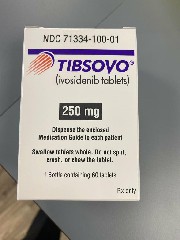
In addition, ivosidenib may occasionally cause electrolyte disturbances, particularly hyperkalemia. If this side effect is not detected and corrected in time, it may cause serious heart problems such as arrhythmia. Patients need to regularly monitor blood potassium, sodium and other electrolyte levels during the medication period, and adjust their diet and medications according to the doctor's recommendations. Heart-related adverse reactions also include QT interval prolongation, which requires electrocardiogram monitoring to prevent potential cardiac risks.
In addition to the common side effects mentioned above, individual patients may develop tumor lysis syndrome (TLS), which is an acute metabolic disorder caused by the rapid killing of a large number of cancer cells and the release of large amounts of cellular contents into the blood, manifested by hyperuricemia, hyperkalemia, hypocalcemia, etc. Although TLS is uncommon, once it occurs, it can be life-threatening if not treated in time. High-risk patients require close monitoring early in treatment and appropriate use of preventive medications and fluid replacement.
Overall, ivonib has shown good efficacy in the treatment of IDH1 mutation-related cancers, but side effects management is equally important. Patients should strictly follow the doctor's instructions, undergo various examinations regularly, and report any symptoms of discomfort to the doctor in a timely manner. Medical staff should pay attention to the patient's overall condition and take active intervention measures to address side effects to ensure the safety and smooth progress of treatment. Proper monitoring and management of side effects can not only improve patients' quality of life, but also maximize the therapeutic potential of ivonib.
Reference link: https://www.tibsovo.com/
[ 免责声明 ] 本页面内容来自公开渠道(如FDA官网、Drugs官网、原研药厂官网等),仅供持有医疗专业资质的人员用于医学药学研究参考,不构成任何治疗建议或药品推荐。所涉药品可能未在中国大陆获批上市,不适用于中国境内销售和使用。如需治疗,请咨询正规医疗机构。本站不提供药品销售或代购服务。


