
.jpeg)
Analysis of the contents of the instructions and precautions for taking Cemiplimab
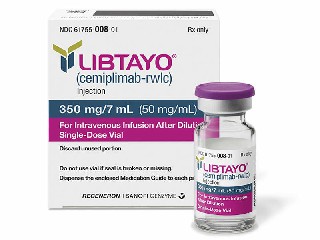
Cemiplimab (Cemiplimab) is a humanized IgG4 monoclonal antibody, with the trade name Libtayo, jointly developed by Regeneron and Sanofi. The drug mainly targets PD-1 (programmed death receptor -1) to exert an immune checkpoint inhibitory effect, and achieves anti-tumor treatment by restoring the killing function of T cells against tumor cells. As an immunotherapy drug, cimepilimab has been approved by the U.S. FDA for the treatment of certain types of skin cancer and non-small cell lung cancer. Although it has not yet been officially launched in mainland China, it has been widely used overseas.
1. Scope of indications and usage and dosage
Cimepilimab's approved indications mainly include locally advanced or metastatic cutaneous squamous cell carcinoma (cSCC) as a first-line treatment option when surgery or radiotherapy is inoperable; in addition, the drug has also been approved It is used for patients with locally advanced or metastatic non-small cell lung cancer (NSCLC) with positive PD-L1 expression, and is suitable for groups who are not suitable for chemotherapy. Recent research has also been extended to the treatment of other solid tumors such as intrahepatic cholangiocarcinoma and cervical cancer, showing potential efficacy.
The recommended dosage of this drug is intravenous infusion of 350 mg once every 3 weeks. Tumor PD-L1 expression detection and related basic examinations must be performed before use. Each administration must be completed within 60 minutes and should be performed in a medical institution with emergency rescue conditions.
2. Pharmacological mechanism and clinical advantages
Cimepilimab belongs to the immune checkpoint inhibitor class of drugs, which works by blockingPD-1 and its ligandsPD-L1/PD-L2 combination releases the "brake" state of T cells, thereby activating T cells to recognize and attack tumor cells. This mechanism is different from traditional chemotherapy in that it does not directly kill tumor cells, but restarts the patient's own immune system to control cancer development.
Clinical trial results show that the objective response rate (ORR) of cimepilimab in patients with advanced cutaneous squamous cell carcinoma can reach 40%above, and the effect is long-lasting. In studies of non-small cell lung cancer, compared with chemotherapy, cimepilimab significantly improved overall survival (OS) and progression-free survival (PFS), and adverse reactions were generally controllable.
3. Precautions and common side effects
Although cimepilimab is an injectable drug, patients still need to pay close attention to possible side effects during "taking" or "receiving treatment". The most common adverse reactions include fatigue, rash, itching, joint pain, fever, etc.; some patients may suffer from immune-mediated serious adverse reactions, such as pneumonia, hepatitis, colitis, endocrine abnormalities (such as thyroid dysfunction) or nephritis.
It is important to note that immune-related adverse reactions may occur at any time point after taking the drug, and may even occur months after stopping the drug. Therefore, patients should regularly monitor liver function, kidney function, thyroid indicators and respiratory conditions during treatment with cimepilimab. If persistent fever, cough, diarrhea, skin erythema, etc. occur, the doctor must be reported promptly. If necessary, treatment should be suspended and immunosuppressive measures such as glucocorticoids should be administered.
In addition, cimepilimab is not recommended for pregnant women, lactating women, and those planning pregnancy as it may potentially interfere with the immune system of the fetus or infant. Use in the pediatric population has not been supported by adequate clinical studies and risks should be assessed carefully.
4. Price information and how to obtain it
As of2025, cimipilimab has not yet been officially launched in mainland China, so it is not included in the national medical insurance catalog and the price is relatively high. In overseas markets, such as the United States or Europe, the price of a box of cimipilimab 350mg/7mL may range from 4 to 10 RMB. The specific price fluctuates due to the impact of the medical system and exchange rate of different countries. Currently, if domestic patients need medication, they need to obtain it through channels such as Hong Kong or international pharmacies.
There are currently no generic drugs of cimepilimab on the market. Therefore, patients must choose formal and legal channels when purchasing drugs to avoid affecting the safety of treatment due to unknown sources of drugs. Some charitable projects or assistance programs may provide drug subsidies under certain conditions. Patients are advised to consult their doctors or oncology hospitals for relevant information.
Cimepilimab, as one of the PD-1 immune checkpoint inhibitors, has shown significant efficacy in the treatment of multiple malignant tumors, especially providing a new option for advanced patients who are ineffective or intolerant to traditional treatments. Although it has not yet been launched in mainland China, its international applications and research are constantly expanding. During the use of this drug, great attention must be paid to immune-related adverse reactions, and standardized treatment must be carried out under the guidance of a professional doctor. For patients in need of medicine, they should weigh the benefits of treatment and the economic burden, and choose safe and accessible formal drug purchase channels.
Reference materials:https://www.libtayohcp.com/
[ 免责声明 ] 本页面内容来自公开渠道(如FDA官网、Drugs官网、原研药厂官网等),仅供持有医疗专业资质的人员用于医学药学研究参考,不构成任何治疗建议或药品推荐。所涉药品可能未在中国大陆获批上市,不适用于中国境内销售和使用。如需治疗,请咨询正规医疗机构。本站不提供药品销售或代购服务。


