
.jpeg)
Linezolid (Linezolid) detailed instructions and pharmacological effects
Linezolid (Linezolid) is an antibacterial drug belonging to the oxazolidinone antibiotics. It has broad-spectrum activity against Gram-positive bacteria and is particularly suitable for the treatment of drug-resistant bacterial infections. Its mechanism of action is different from traditional antibiotics in that it works by inhibiting bacterial protein synthesis. Linezolid blocks the binding of 30S and 50S subunits in bacterial ribosomes, thereby preventing translatable mRNA formation, which gives it unique advantages in the treatment of infections such as methicillin-resistant Staphylococcus aureus (MRSA) and vancomycin-resistant enterococci (VRE).
Linezolid is indicated for the treatment of a variety of complicated infections, including pneumonia (including hospital-acquired and community-acquired pneumonia), complicated skin and soft tissue infections, sepsis, osteomyelitis and infectious diseases caused by VRE. The drug has good tissue penetration ability and can reach effective drug concentrations in lung tissue, bone tissue, and cerebrospinal fluid. It is an effective choice for the treatment of deep drug-resistant bacterial infections. Linezolid can be administered orally or intravenously, and the bioavailability of both is close to 100%, providing a flexible dosing regimen for clinical use.
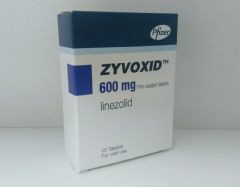
In terms of pharmacokinetics, linezolid is rapidly and completely absorbed, reaching peak concentration 1 to 2 hours after oral administration. Its half-life is about 5 to 7 hours. It is mainly metabolized by non-renal pathways and excreted in urine and feces. Patients with hepatic and renal insufficiency generally do not need to adjust the dose, but they should be aware that long-term use may cause hematological toxicity, such as bone marrow suppression, anemia, leukopenia, thrombocytopenia, etc. Therefore, regular blood monitoring is required when the drug is continuously used for more than 2 weeks.
In addition, an important warning about linezolid is that it has similar structural properties to monoamine oxidase inhibitors (MAOI), so it may cause serotonin syndrome, especially when used in combination with SSRI antidepressants. Concomitant intake of foods high in tyramine (e.g., pickles, cheese, red wine) should also be avoided to reduce the risk of hypertensive crisis. In conclusion, linezolid is an antibiotic with significant efficacy against drug-resistant Gram-positive bacteria, but its potential adverse reactions and drug interactions need to be paid close attention to in clinical use.
Reference materials:https://go.drugbank.com/drugs/DB00601
[ 免责声明 ] 本页面内容来自公开渠道(如FDA官网、Drugs官网、原研药厂官网等),仅供持有医疗专业资质的人员用于医学药学研究参考,不构成任何治疗建议或药品推荐。所涉药品可能未在中国大陆获批上市,不适用于中国境内销售和使用。如需治疗,请咨询正规医疗机构。本站不提供药品销售或代购服务。


